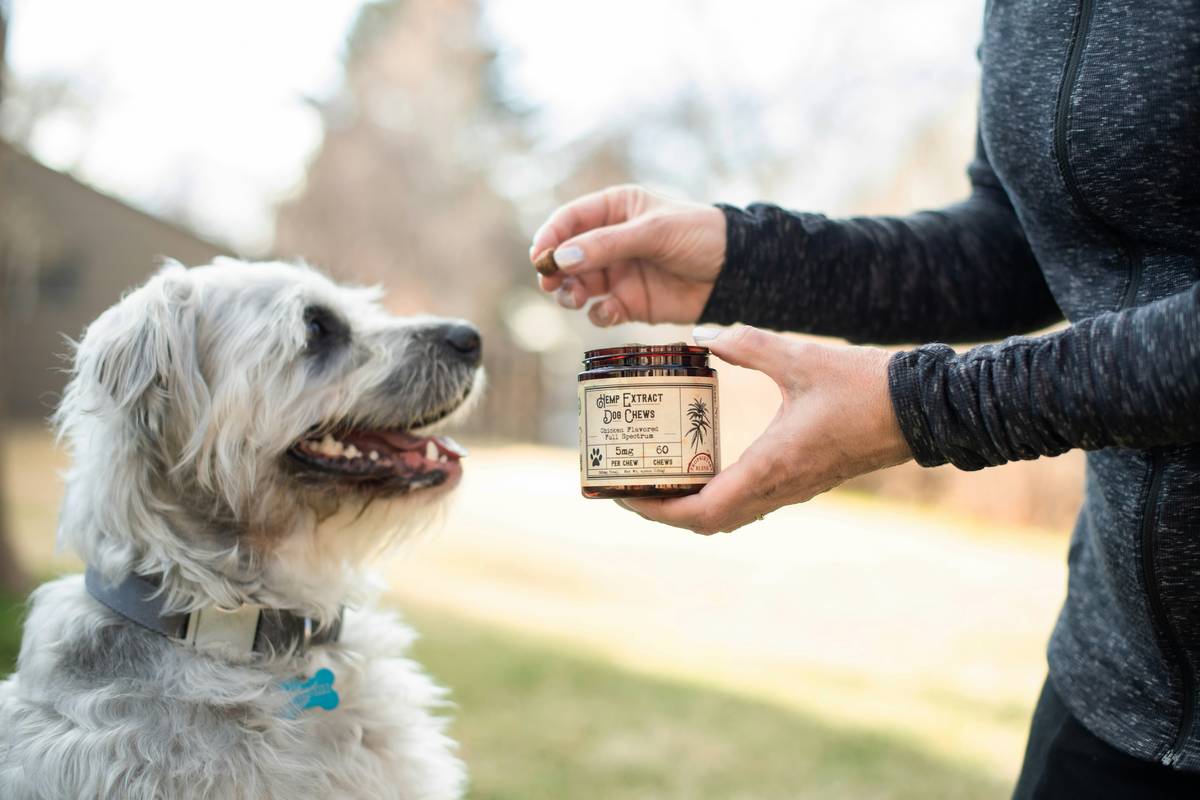
Your dog scratches like it’s a full-time job. Red patches bloom on their belly. You’ve tried oatmeal shampoos, hypoallergenic diets, even that “miracle” balm from the pet store. Nothing sticks. And every day, you watch them suffer—while your vet bills climb. What if the real fix isn’t another wash or a prescription steroid… but what you feed them from the inside out? That’s where skin supplements dog formulas earn their keep—if you pick the right one.
Why Most Pet Skin Solutions Fail Miserably
Topicals treat symptoms, not root causes. Shampoos strip natural oils. Steroids suppress—but don’t heal—the immune overreaction driving chronic dermatitis. And grain-free kibble? Often just swaps one inflammatory trigger for another (hello, legumes). Here’s the reality: 70% of canine skin issues originate in gut dysbiosis or fatty acid imbalances. Pouring lotion on a fire won’t extinguish it. You need to cut the fuel.
Choosing & Using skin supplements dog the Right Way
Not all supplements are created equal. A cheap fish oil pill from the gas station aisle oxidizes before it even hits your dog’s bowl. Effective skin supplements dog must deliver bioavailable nutrients in clinically backed ratios. Below is how top-tier options stack up:
| Supplement Type | Key Ingredients | Avg. Monthly Cost | Time to Visible Results |
|---|---|---|---|
| Premium Omega-3 (EPA/DHA) | Anchovy/sardine oil, vitamin E | $25–$40 | 4–8 weeks |
| Probiotic + Prebiotic Blends | Bacillus coagulans, chicory root | $20–$35 | 3–6 weeks |
| Zinc + Biotin Complexes | Zinc methionine, biotin, MSM | $18–$30 | 6–10 weeks |
| Budget “Skin & Coat” Chews | Low-dose fish oil, fillers (corn starch, glycerin) | $12–$22 | Rarely effective |
Start with Omega-3s—But Get the Ratio Right
Dogs need an EPA-to-DHA ratio near 2:1 for optimal anti-inflammatory effects. Human fish oil? Usually reversed. Look for veterinary-formulated products that list milligrams—not percentages—of EPA and DHA per serving.
Don’t Ignore the Gut-Skin Axis
Leaky gut = systemic inflammation = itchy skin. A multi-strain probiotic with guaranteed CFUs at expiry (not manufacture) helps recalibrate immune response. Pair it with soluble fiber like pumpkin or inulin.
Avoid These Common Pitfalls
Overloading on coconut oil (can worsen yeast), skipping blood work (hypothyroidism mimics allergies), and expecting overnight fixes. Skin turnover takes 21+ days. Commitment matters.

The Industry Secret No One Talks About
Most supplement companies test stability in ideal lab conditions—not in your hot garage or humid bathroom cabinet. Oxidized omega-3s don’t just lose potency; they become pro-inflammatory. The best brands use nitrogen-flushed capsules or opaque, refrigerated liquids—and publish third-party peroxide value tests. If they don’t show oxidation data? Walk away. Also—many “natural” supplements contain hidden chicken or beef derivatives, triggering reactions in sensitive dogs. Always demand full allergen disclosure.

Frequently Asked Questions
Can I give my dog human fish oil?
Sometimes—but dosing is tricky. Human capsules often lack sufficient EPA for dogs and may contain lemon flavoring (toxic in large amounts). Veterinary-specific formulas are safer and more concentrated.
How long until skin supplements dog show results?
Minimum 4 weeks. Full effects take 8–12 weeks as new skin cells replace damaged ones. Don’t quit early.
Are chewable supplements as effective as oils?
Only if they use stabilized, high-potency ingredients. Many chews sacrifice active compounds for palatability. Check EPA/DHA levels per chew—most fall short.