Your dog scratches. Constantly. Red, flaky skin. Hair falling out in patches. You’ve tried oatmeal shampoos, coconut oil, even that “all-natural” spray from the boutique pet store. Nothing sticks. The vet bills pile up. And your pup’s misery deepens. Here’s the fix most groomers won’t tell you: not all medicated dog shampoo for skin allergies delivers real relief—and some make it worse.
Why Your Go-To Remedies Keep Failing
Most over-the-counter “soothing” shampoos are surface-level band-aids. They mask irritation but ignore the root cause: dysbiosis of the skin microbiome or uncontrolled inflammation from environmental or food allergens. And frequent bathing with harsh surfactants? It strips natural oils, disrupting the acid mantle—your dog’s first line of defense.
Better products exist. But they’re buried under flashy labels and vague claims like “dermatologist-tested” (tested on humans, usually) or “hypoallergenic” (a term with zero regulatory meaning in pet care).
Choosing & Using Medicated Dog Shampoo for Skin Allergies: A Vet-Backed Protocol
Picking the right formula isn’t guesswork. It’s matching active ingredients to your dog’s specific clinical signs. Below is a quick-reference guide based on common allergy presentations:
| Symptom Profile | Recommended Active Ingredient | Frequency | Caution |
|---|---|---|---|
| Redness + Itching + Mild Scaling | Hydrocortisone (0.5–1%) | 2–3x/week for 2 weeks | Avoid open wounds; not for long-term use |
| Greasy Coat + Yellow Crusts + Odor | Chlorhexidine + Ketoconazole | 2x/week until resolved | Can dry skin; follow with moisturizing rinse |
| Dry, Flaky Skin + Hair Loss | Colloidal Oatmeal + Ceramides | 1–2x/week | Only if no secondary infection present |
| Hot Spots or Open Sores | Benzoyl Peroxide (2.5%) | Every 3 days max | Stains fabrics; avoid eyes/mucous membranes |
Step 1: Confirm It’s Truly Allergic Dermatitis
Rule out fleas, mites, or fungal infections first. A skin scrape or cytology at the vet costs less than months of wasted shampoo trials. Misdiagnosis is the #1 reason treatments fail.
Step 2: Bathe Correctly—Not Just Frequently
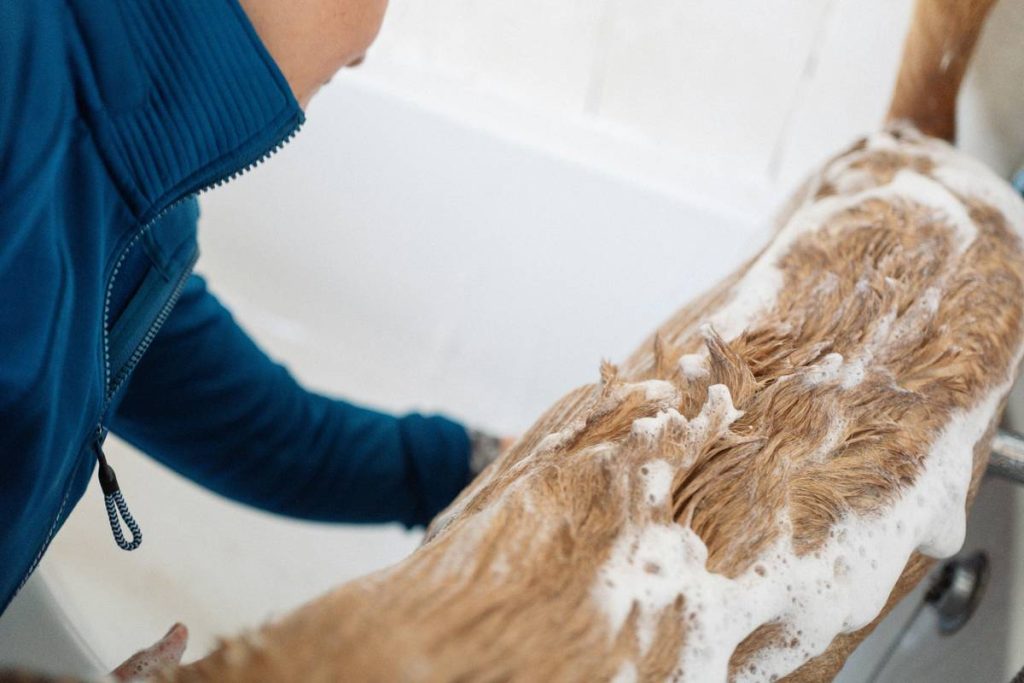
Leave shampoo on for 10 full minutes before rinsing. Most owners rinse too soon. Use lukewarm water—hot water worsens inflammation. And never skip the post-bath moisturizer if your formula contains antiseptics.
Step 3: Track & Adjust
Take weekly photos under consistent lighting. Note changes in scratching frequency. If no improvement in 14 days, the issue likely isn’t topical—or your shampoo choice missed the mark.
The Industry Secret: Shelf Life Matters More Than You Think
Here’s what manufacturers won’t advertise: many active ingredients in medicated shampoos degrade rapidly once opened—especially ketoconazole and chlorhexidine. A bottle sitting on a shelf for 8 months loses up to 40% efficacy. Yet retailers rarely track expiration dates post-opening. Buy smaller sizes. Store in a cool, dark place. And discard any formula older than 6 months, regardless of the printed date. Your dog’s skin absorbs every molecule—you want potency, not placebo.
Frequently Asked Questions
Can I use human medicated shampoo on my dog?
No. Human pH (5.5) differs drastically from canine skin (6.2–7.4). Human formulations can cause severe irritation or chemical burns on dogs—especially dandruff shampoos with selenium sulfide.
How fast does medicated dog shampoo for skin allergies work?
Some relief may appear in 3–5 days, but full resolution often takes 2–4 weeks of consistent use. If itching spikes after day two, discontinue—could indicate contact allergy to the shampoo itself.
Are there side effects?
Yes. Drying, redness, or increased itching can occur. Benzoyl peroxide may bleach dark fur. Always do a patch test behind the ear before full application.