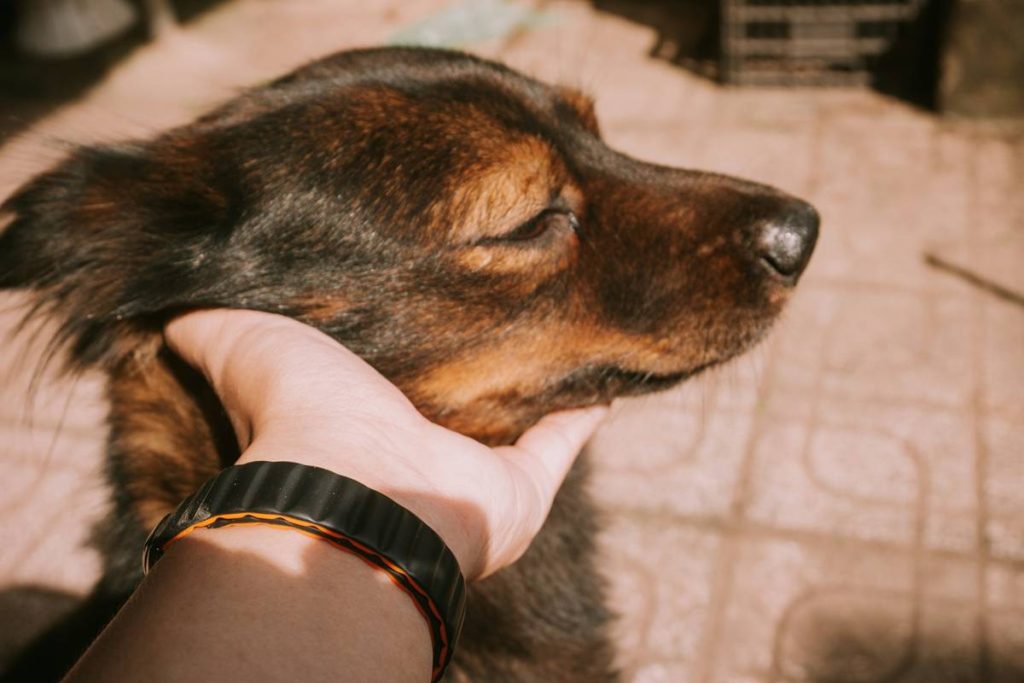
Your dog scratches. Again. And again. You’ve tried shampoos, sprays, even that overpriced “natural” balm from the pet store. Nothing sticks. The hot spots flare up. The fur thins. Sleepless nights—for both of you. Standard skin treatments for dogs often mask symptoms, not causes. Here’s how to fix it at the root—without blowing your budget on gimmicks.
Why Most Dog Skin Treatments Fail Miserably
Most products target surface irritation—like slapping a Band-Aid on a leaking pipe. Flea bites? Allergies? Yeast overgrowth? Autoimmune flare? They’re all lumped together as “itchy skin.” Big mistake. And vets sometimes prescribe steroids just to quiet the noise, not solve the puzzle. The real issue? Misdiagnosis. Without identifying whether it’s environmental, dietary, parasitic, or bacterial—you’re guessing. And guessing costs time, money, and your dog’s comfort.
The No-BS Step-by-Step Guide to Effective Skin Treatments for Dogs
Forget “try this, then that.” Build a protocol—not a patchwork.
Step 1: Rule Out Parasites (It’s Cheaper Than You Think)
Fleas, mites, and lice cause 60%+ of itch cases. Yet owners skip this. Use a vet-grade flea comb daily for a week. Check between toes, ear flaps, tail base. If you see black specks—flea dirt—treat immediately with an oral isoxazoline (like NexGard), not topical drops. Topicals wash off. Oral stays in the system.
Step 2: Audit the Diet—Not Just the Kibble
Food allergies often show as paw licking or belly rashes—not gut issues. Try a strict elimination diet: novel protein (duck, kangaroo) + single carb (sweet potato) for 8 weeks. Zero treats. Not even dental chews. If itching drops by Week 4? Bingo. Reintroduce one ingredient weekly to pinpoint the offender.
Step 3: Repair the Skin Barrier—Topically AND Internally
Damaged skin leaks moisture and invites infection. Apply a ceramide-based spray (look for phytosphingosine) twice daily. Pair it with omega-3s: 20mg EPA per pound of body weight daily. Fish oil > flaxseed. Always.

| Approach | Avg. Cost/Month | Time to See Results | Risk of Side Effects |
|---|---|---|---|
| Oral Flea Preventatives | $25–$45 | 3–7 days | Low (rare neuro reactions) |
| Elimination Diet | $40–$70 | 3–8 weeks | None (if balanced) |
| Ceramide Sprays + Omega-3s | $30–$60 | 10–21 days | Very low |
| Corticosteroids (Prednisone) | $10–$20 | 24–48 hours | High (long-term) |
Step 4: Monitor & Adjust—This Isn’t Set-and-Forget
Track scratching frequency in a notes app. Rate severity 1–10 daily. If no improvement in 10 days, pivot. Don’t wait a month. Skin conditions evolve fast.
The Industry Secret: It’s Not About Killing Germs—It’s About Balance
Here’s what pet product marketers won’t tell you: a dog’s skin isn’t sterile—and it shouldn’t be. Overusing antiseptic shampoos wipes out good microbes along with bad, creating a vacuum for yeast or staph to dominate. The goal isn’t sterilization. It’s microbiome equilibrium. A 2023 study in *Veterinary Dermatology* showed dogs treated with probiotic sprays had 40% fewer relapses than those on chlorhexidine alone. Ask your vet about topical probiotics like DOUXO S3 PYO. It’s niche—but it works.
Frequently Asked Questions
Can I use human hydrocortisone cream on my dog?
No. Dogs lick it off—and ingesting corticosteroids causes vomiting, diarrhea, or worse. Use vet-formulated topicals only.
How often should I bathe my itchy dog?
Once every 7–10 days max. Over-bathing strips natural oils. Use lukewarm water and moisturizing, soap-free shampoos with oatmeal or aloe.
Are grain-free diets better for dog skin?
Not necessarily. Food allergies are usually protein-driven (beef, chicken, dairy). Grains like oats or barley are rarely culprits—unless your dog has a confirmed sensitivity.