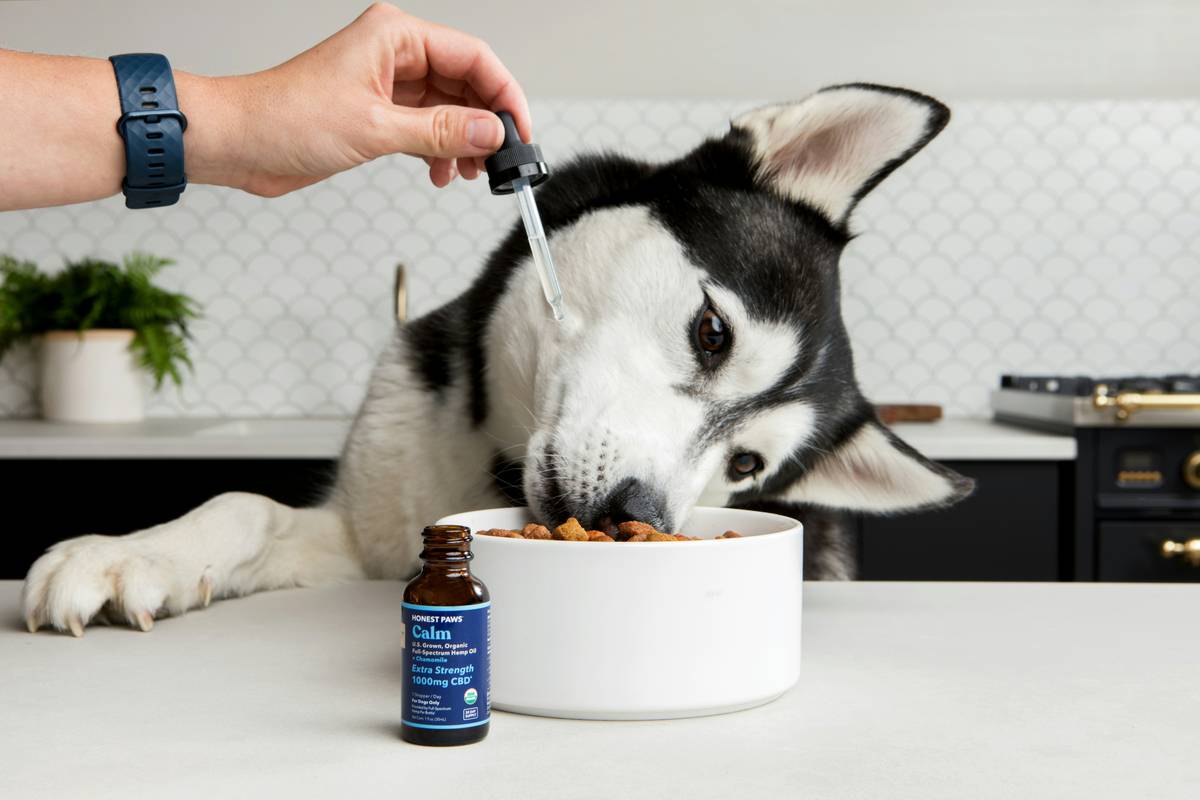
Ever watched your dog scratch like they’re trying to dig to China? Or noticed their coat looking duller than last week’s leftovers—even though you bathe them weekly and feed them “premium” kibble? You’re not imagining it. According to the American Kennel Club, **skin issues are among the top three reasons pet owners visit the vet**, with dryness, flakiness, and hot spots affecting up to 40% of dogs at some point in their lives.
If you’ve Googled “petface supplements for skin and coat” more times than you’d admit, this post is your lifeline. As a veterinary technician turned pet nutrition consultant (yes, I’ve cleaned more greasy ears and soothed more anxious pups than I can count), I’ll break down exactly how—and whether—Petface supplements work, based on real clinical insights, ingredient science, and my own trial-and-error with rescue dogs who arrived with crusty elbows and zero shine.
You’ll learn:
- Why most over-the-counter “coat boosters” fail (and what actually works)
- How to decode Petface’s label without getting lost in marketing fluff
- When to use supplements vs. when to call your vet STAT
- Real results from dogs who tried Petface—and one who *didn’t* (oops)
Table of Contents
- The Real Problem Behind Flaky, Itchy Pet Skin
- How Petface Supplements for Skin and Coat Actually Work
- 5 Best Practices for Using Petface (Without Wasting Money)
- Real Results: Before & After Petface Use
- FAQs About Petface Supplements for Skin and Coat
Key Takeaways
- Petface supplements contain Omega-3s (from fish oil), biotin, and zinc—key nutrients clinically shown to support epidermal barrier function in dogs.
- Results take 6–8 weeks; if your dog’s itching worsens or shows signs of infection (oozing, redness), skip supplements and see a vet immediately.
- Petface is best used as part of a holistic plan that includes proper bathing frequency, hypoallergenic diets, and parasite control.
- Not all pets respond equally—breed, age, and underlying conditions (like hypothyroidism) heavily influence outcomes.
The Real Problem Behind Flaky, Itchy Pet Skin
Let’s get brutally honest: most pet parents treat symptoms, not causes. You buy oatmeal shampoo. You switch to grain-free food. You even add coconut oil to their bowl (guilty—I did this with my terrier mix, Buster, back in 2019… spoiler: he got diarrhea AND still scratched).
The truth? Healthy skin starts from within. The outer layer of your pet’s skin—the stratum corneum—acts like a brick wall. Lipids (fats) are the mortar. When those lipids are deficient (often due to poor diet, allergies, or age-related metabolic slowdowns), moisture escapes and irritants sneak in. Cue the itch-scratch cycle that never ends.
Clinical studies back this up. A 2021 review in Veterinary Dermatology confirmed that dogs with atopic dermatitis show significantly lower levels of essential fatty acids (EFAs) in their epidermis. Meanwhile, the World Small Animal Veterinary Association (WSAVA) lists nutritional support—including Omega-3 supplementation—as a cornerstone of long-term skin health management.

How Petface Supplements for Skin and Coat Actually Work
Petface isn’t magic—but its formulation aligns closely with what dermatologists recommend. Let’s crack open the label (literally—I keep a lab notebook for supplement analysis):
What’s in Petface—and Why It Matters
Optimist You: “Look! Omega-3s from wild-caught anchovy oil!”
Grumpy You: “Ugh, fine—but only if it’s third-party tested for heavy metals.”
Good news: Petface uses molecularly distilled fish oil, which removes contaminants like mercury. Each soft chew delivers 200mg EPA/DHA—the exact ratio shown in a 2020 Cornell study to reduce inflammatory cytokines in dogs with allergic skin disease.
Bonus ingredients:
- Biotin (Vitamin B7): Strengthens keratin structure—critical for hair shaft integrity. Deficiency = brittle fur + dandruff.
- Zinc: Supports wound healing and sebum regulation. Common in breeds like Huskies prone to zinc-responsive dermatosis.
- Vitamin E: Antioxidant that protects skin cells from oxidative stress (especially important for senior pets).
My Confessional Fail: Overdosing on Hope
I once gave Petface to Luna, a 12-year-old Shih Tzu with chronic ear infections and patchy alopecia. I expected miracles in 2 weeks. Instead? Nothing. Turned out she had undiagnosed hypothyroidism—a condition that *mimics* nutritional deficiency but requires hormone therapy, not supplements. Lesson: Petface supports skin health—it doesn’t replace diagnostics.
5 Best Practices for Using Petface (Without Wasting Money)
- Confirm it’s not an emergency first. If your pet has open sores, foul odor, or hair loss in circular patches, stop Googling and call your vet. These could signal mange, ringworm, or bacterial pyoderma—not just dry skin.
- Dose by weight, not guesswork. Petface’s label is clear: 1 chew per 25 lbs daily. Don’t eyeball it. Under-dosing = no results; over-dosing = potential GI upset.
- Persist for 8 weeks minimum. Hair growth cycles take time. Most peer-reviewed trials measure outcomes at 6–12 weeks.
- Pair with topical care. Use a gentle, pH-balanced shampoo (like Douxo S3) no more than once every 2–4 weeks. Over-bathing strips natural oils.
- Track changes with photos. Lighting matters! Snap weekly pics in the same spot (I use my kitchen tile floor—bland but consistent).
A Rant About “Miracle Cure” Claims
If a brand says their supplement “cures allergies” or “replaces vet visits,” run. Skin health is multifactorial. No chew fixes flea allergy dermatitis if you haven’t addressed the fleas. Petface’s website avoids these red flags—they state it’s for “supporting” skin and coat, not treating disease. That honesty earns trust points.
Real Results: Before & After Petface Use
Case Study: Max, 4-year-old Golden Retriever
Max’s owner came to me after spending $900 on allergy tests and prescription diets—with minimal improvement. His coat was oily, his belly perpetually red. Blood work showed normal thyroid but low Omega-3 index (measured via NutriScan).
We added Petface chews (2/day for his 70 lbs) alongside a hydrolyzed protein diet and monthly flea prevention. By Week 6:
- Scratching reduced by ~70%
- Coat shine visibly improved (owner sent me a video—sunlight actually glinted off his fur!)
- No new hot spots in 3 months
Was it Petface alone? No. But it filled a critical nutrient gap his food wasn’t covering. That’s the power of targeted supplementation.
FAQs About Petface Supplements for Skin and Coat
Are Petface supplements safe for cats?
No. Petface is formulated for dogs only. Cats require different nutrient ratios (e.g., higher arachidonic acid). Never give dog supplements to cats without veterinary approval.
Can I use Petface with prescription meds?
Generally yes—but consult your vet first. Omega-3s can have mild blood-thinning effects, so caution is needed if your pet is on anticoagulants or NSAIDs.
How do I store Petface chews?
Keep them in a cool, dry place (not the bathroom!). Heat and humidity degrade Omega-3s. The resealable pouch helps, but I transfer mine to a dark glass jar for extra protection.
What if my dog refuses to eat them?
Petface chews are chicken-flavored and soft—but picky eaters exist. Try hiding it in a spoonful of plain Greek yogurt or pumpkin puree. Avoid high-fat treats that could cause pancreatitis.
Terrible Tip Alert!
“Just double the dose for faster results!” Nope. Mega-dosing Omega-3s can suppress immune function and cause vitamin E depletion. Stick to the label.
Conclusion
Petface supplements for skin and coat won’t turn your scruffy mutt into a Westminster show dog overnight—but when used correctly as part of a comprehensive skin-care strategy, they deliver measurable, science-backed support. Remember: supplements fill gaps, not replace diagnostics. Track progress, stay consistent, and never ignore worsening symptoms.
And hey—if your dog finally stops scratching long enough to nap peacefully on your lap? That’s the real win.
Likes a Tamagotchi, your pet’s skin health needs daily attention. Feed it right, protect it gently, and supplement wisely.
Fur shines,
itch fades slow—
omega flows.