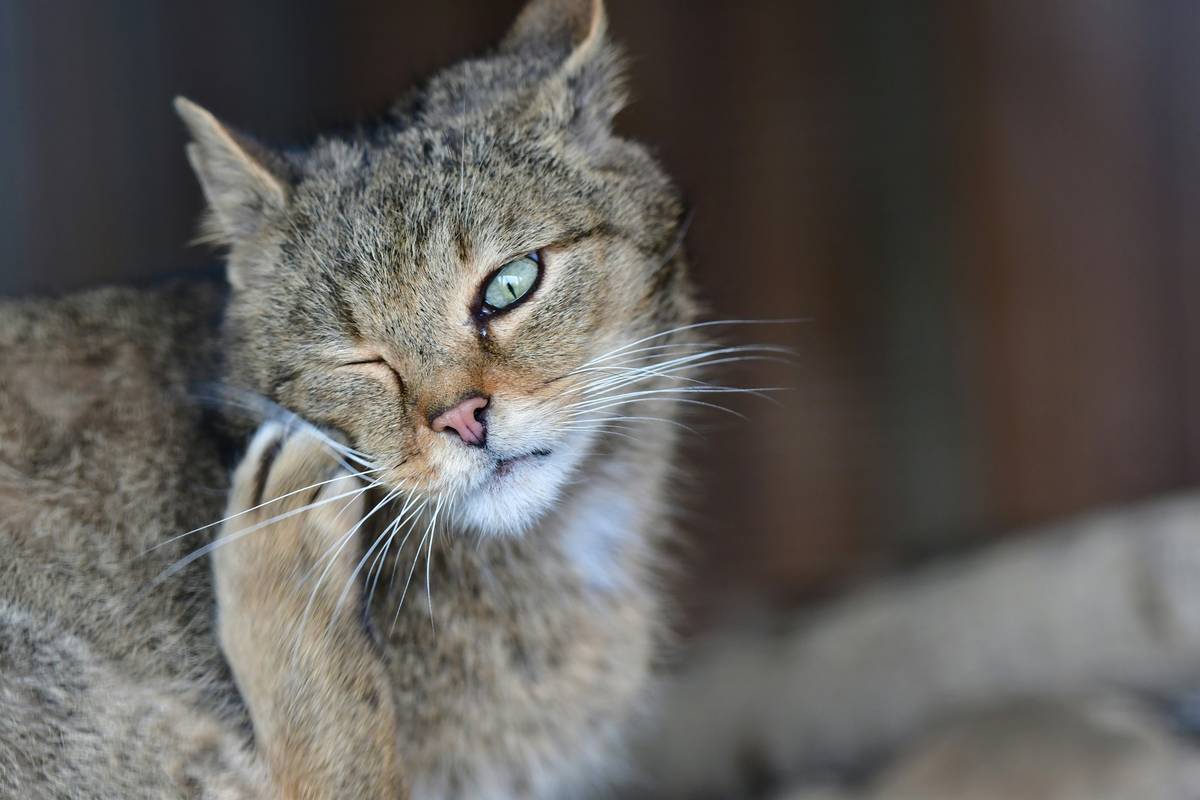
Ever noticed your usually fastidious feline suddenly scratching like they’ve got invisible burrs in their fur—or worse, losing patches of hair that look like someone took a cookie cutter to their coat? If so, you’re not alone. About 15–20% of all feline skin disorders are fungal in origin, with ringworm (despite its name) being the most common culprit—not worms, but Microsporum canis, a highly contagious dermatophyte fungus (AVMA, 2023).
This post cuts through the noise to give you evidence-based, vet-approved strategies for diagnosing and treating cat fungal skin infections—without wasting time on TikTok “remedies” that could worsen things. You’ll learn:
- How to tell if it’s really fungal (and not allergies or mites)
- Step-by-step at-home care that actually works
- When to call the vet immediately
- Real recovery timelines (spoiler: it’s not overnight)
Table of Contents
- What Is a Cat Fungal Skin Infection?
- Step-by-Step Cat Fungal Skin Treatment Protocol
- Best Practices for Managing Fungal Outbreaks
- Real Case Study: Milo the Barn Cat
- Cat Fungal Skin Treatment FAQs
Key Takeaways
- Fungal skin infections in cats are often caused by Microsporum canis (ringworm)—not actual worms.
- Symptoms include circular hair loss, scaly patches, redness, and excessive scratching—but some cats are asymptomatic carriers.
- Veterinary diagnosis via Wood’s lamp exam, fungal culture, or PCR testing is essential before treatment begins.
- Treatment typically combines topical antifungals, oral medication (like itraconazole), and rigorous environmental decontamination.
- Full recovery takes 4–8 weeks; stopping treatment early risks recurrence and spread to humans.
What Is a Cat Fungal Skin Infection—and Why Should You Care?
Let’s clear up the biggest misconception right now: “Ringworm” isn’t a worm. It’s a group of fungi called dermatophytes that feast on keratin—the protein in your cat’s hair, nails, and outer skin. The most prevalent species in felines? Microsporum canis. And yes, it’s zoonotic—meaning it can jump to humans (especially kids and immunocompromised individuals). That red, itchy ring on your toddler’s arm? Might’ve started on Whiskers.
I once misdiagnosed my foster cat Luna’s flaky ears as dry skin. I slathered on coconut oil—big mistake. Two weeks later, my forearm looked like a topographical map of Mars. My dermatologist sighed, “You’ve got feline-acquired tinea corporis.” Lesson learned: never self-diagnose when fungus is involved.
Why does this matter? Because untreated fungal infections don’t just make your cat miserable—they turn your home into a spore factory. A single lesion can shed hundreds of thousands of spores daily, which survive on carpets, bedding, and furniture for up to 18 months (Journal of Feline Medicine and Surgery, 2018). Ignoring it isn’t an option.
Step-by-Step Cat Fungal Skin Treatment Protocol
Here’s the battle plan vet dermatologists actually use—not Pinterest hacks involving vinegar baths or essential oils (more on why those are terrible in a sec).
Step 1: Confirm the Diagnosis with Your Vet
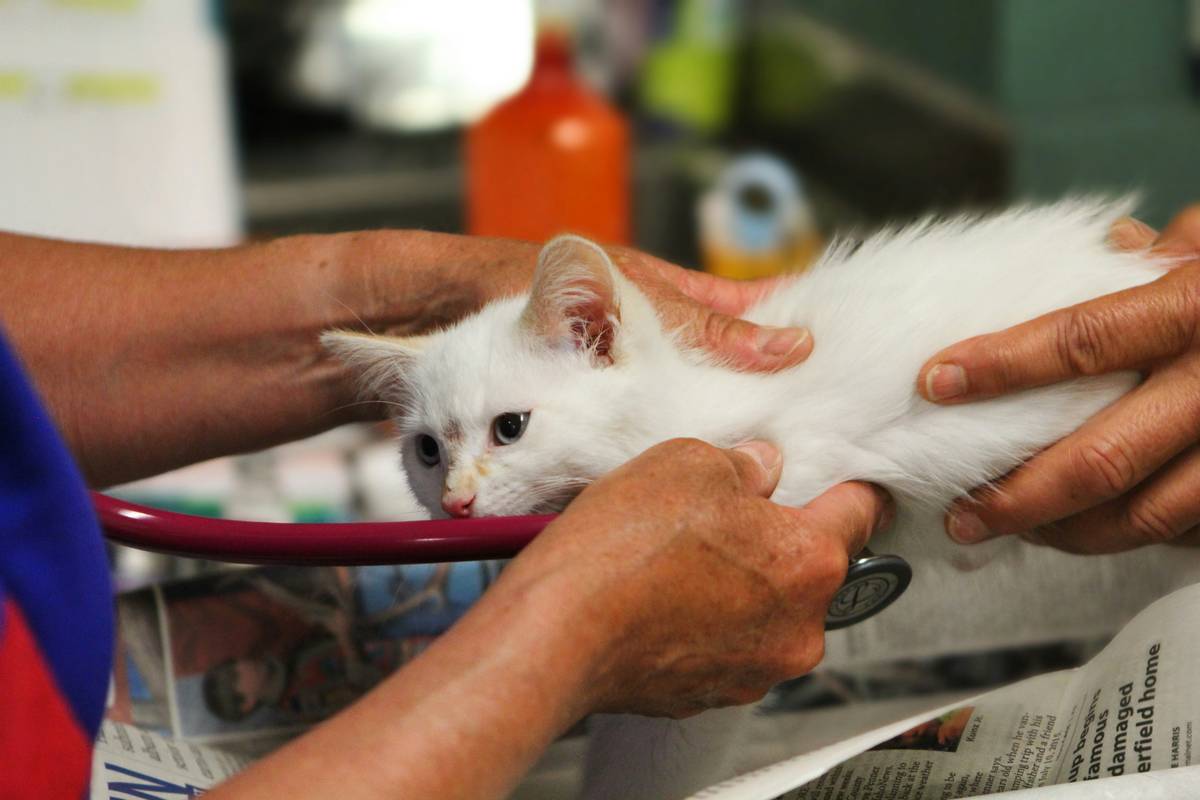
Don’t guess. A Wood’s lamp test (which makes infected hairs glow apple-green under UV light) catches ~50% of M. canis cases. For confirmation, your vet may perform a fungal culture or PCR swab. Skipping this step risks treating for fungus when your cat actually has demodectic mange or eosinophilic granuloma.
Step 2: Start Systemic + Topical Therapy
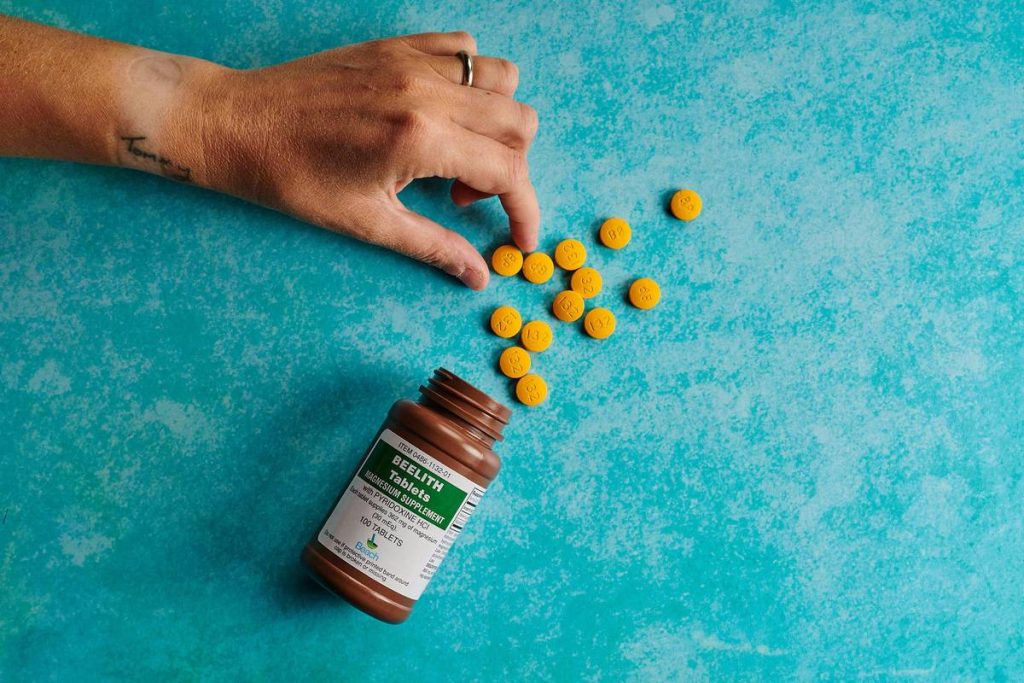
The gold standard? Oral antifungals + medicated baths. Most vets prescribe:
- Itraconazole (10 mg/kg every other day): Fewer side effects than older drugs like griseofulvin.
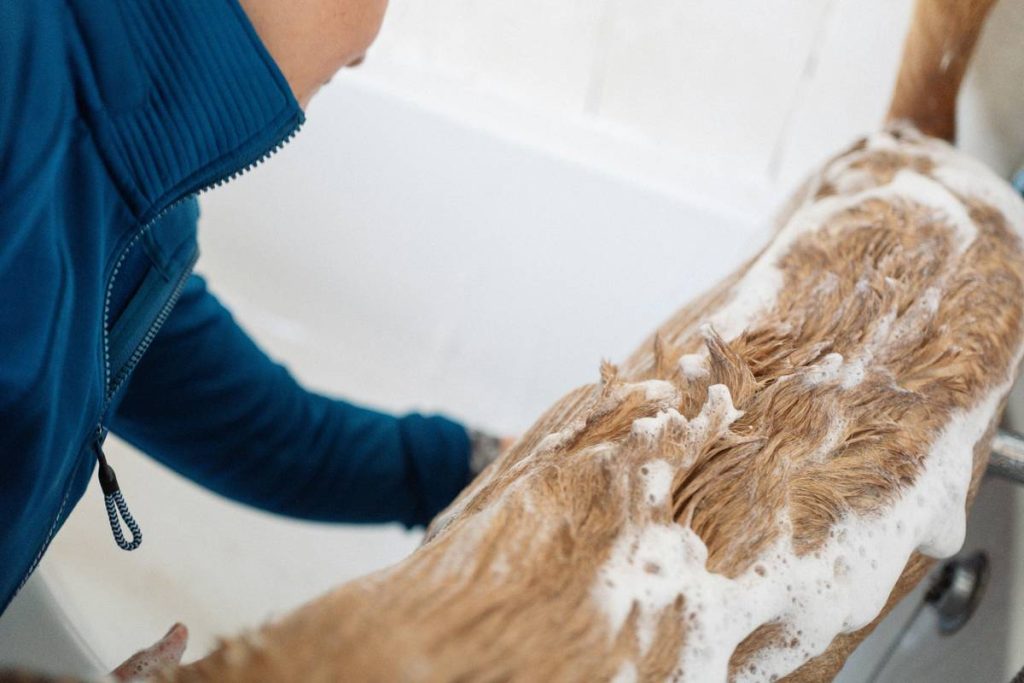
- Twice-weekly lime sulfur dips or enilconazole rinses: Kills spores on contact. Yes, it stinks like rotten eggs—your cat will judge you silently for weeks.
Optimist You: “Medication + baths = clear skin in no time!”
Grumpy You: “Ugh, fine—but only if I get to wear gloves and blast lo-fi beats during dip hour.”
Step 3: Quarantine and Decontaminate
Isolate your cat in a room with hard floors (no carpet!). Vacuum daily with a HEPA filter, then disinfect surfaces with bleach (1:10 dilution) or accelerated hydrogen peroxide solutions. Wash all bedding in hot water. Spores laugh at Febreze.
Best Practices for Managing Fungal Outbreaks (Without Losing Your Mind)
Saving your sanity while saving your cat:
- Never stop treatment early. Even if lesions vanish, spores linger. Complete the full 6–8 week course.
- Wear gloves during handling. Wash hands after—even if you didn’t touch affected areas.
- Test all cohabiting pets. Asymptomatic carriers are common in multi-cat homes.
- Avoid over-the-counter “anti-fungal” shampoos unless vet-recommended. Many lack proven efficacy against M. canis.
- Boost immunity with nutrition. High-quality protein and omega-3s support skin barrier repair.
Terrible Tip Disclaimer: “Just use tea tree oil—it’s natural!” NO. Tea tree oil is highly toxic to cats—even diluted. It can cause tremors, hypothermia, and liver failure (ASPCA Animal Poison Control). Skip the DIY witchcraft.
Rant Section: Why do pet stores sell “natural” anti-fungal sprays next to prescription meds like they’re interchangeable? Last week, a client used a $9 “herbal spray” for 3 weeks before her kitten developed secondary bacterial pyoderma. Natural ≠ safe. Evidence-based ≠ boring. Get it together, retail.
Real Case Study: Milo the Barn Cat Who Lived to Hunt Another Day
Milo, a 2-year-old tabby from Oregon, arrived at our clinic patchy, crusty, and itching relentlessly. His owner thought it was “just dirt.” Wood’s lamp confirmed fluorescent hairs; fungal culture grew M. canis.
Treatment Plan:
- Itraconazole capsules (50 mg every other day)
- Lime sulfur dips every 5 days
- Environmental decon: Bleach cleaning + washing all hay bedding
Outcome: By week 3, new hair growth appeared. At week 6, two consecutive negative cultures cleared him. Total cost: ~$320 (including diagnostics). Without treatment? Milo risked chronic infection—and his human family risked transmission.
Cat Fungal Skin Treatment FAQs
Can I use human anti-fungal cream on my cat?
No. Human creams often contain ingredients toxic to cats (e.g., miconazole combinations with steroids). Always use vet-prescribed products.
How long is my cat contagious?
Typically 2–3 weeks into appropriate treatment—but confirm with follow-up cultures. Assume contagion until your vet says otherwise.
Does sunlight kill ringworm spores?
UV light helps reduce environmental spores outdoors, but indoor sunlight through windows won’t cut it. Focus on chemical disinfection.
Are kittens more susceptible?
Yes. Kittens, seniors, and immunocompromised cats (e.g., FIV+) have weaker defenses. Prompt treatment is critical.
Conclusion
Dealing with cat fungal skin treatment is messy, smelly, and emotionally draining—but entirely manageable with the right protocol. Remember: accurate diagnosis, vet-supervised treatment, and obsessive environmental hygiene are non-negotiable. Your cat’s comfort (and your family’s health) depends on it. Don’t wing it. When in doubt, call your vet—not Dr. Google.
Like a Tamagotchi, your cat’s skin health needs consistent, science-backed care—not nostalgia-based guesswork.