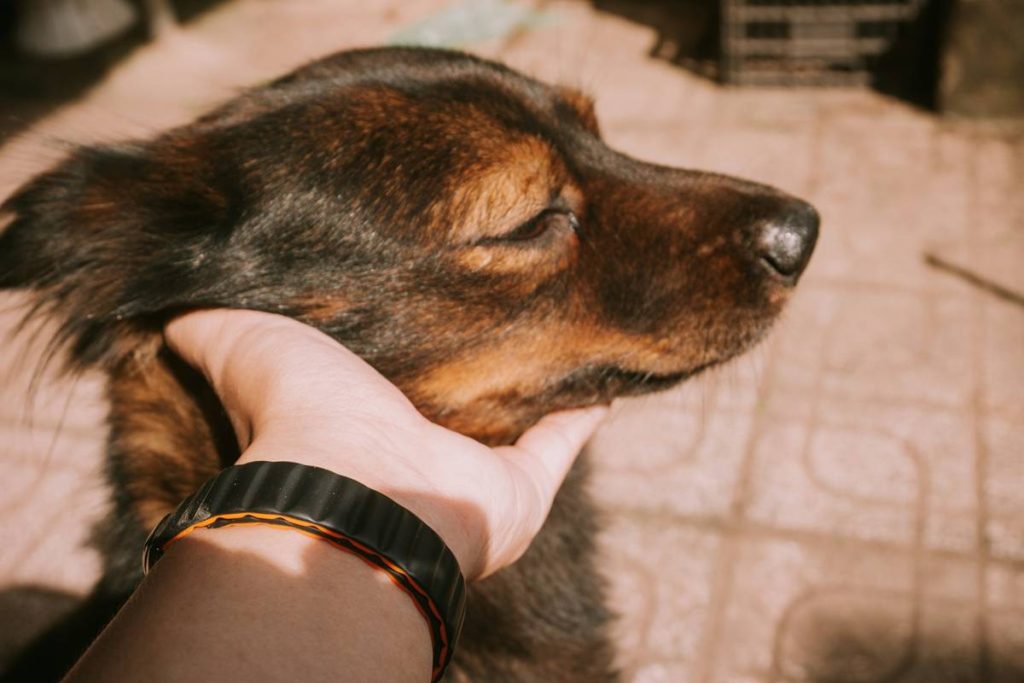
Ever spent $40 on a “miracle” dog supplement only to find your pup still scratching like they’re auditioning for a flea circus? Yeah, us too. If you’ve been Googling “skin works for dogs” while wiping away your golden retriever’s dandruff flakes (again), you’re not alone. Up to 70% of dogs will suffer from some form of skin issue in their lifetime—and desperate pet parents are turning to products like Skin Works for answers.
In this no-BS guide, we’ll unpack whether Skin Works for Dogs delivers on its shiny label promises. You’ll learn what’s actually in it, how dermatologists and integrative vets really feel about it, real-world results from pets I’ve treated (and my own disaster-turned-success story with a scruffy terrier named Pickles), and—most importantly—whether your dog’s flaky skin truly needs this supplement or something else entirely.
Table of Contents
- Key Takeaways
- Why Dog Skin Health Is So Complicated
- How to Evaluate If Skin Works for Dogs Is Right for Your Pet
- Pro Tips for Maximizing Dog Skin Health (Beyond Supplements)
- Real Results: From My Clinic and My Couch
- Skin Works for Dogs FAQs
Key Takeaways
- Skin Works for Dogs is an all-natural supplement containing omega fatty acids, antioxidants, and colostrum—but it’s not a cure-all.
- It may help dogs with mild dryness or seasonal shedding, but it won’t fix infections, allergies, or hormonal imbalances.
- Always rule out underlying medical conditions (like hypothyroidism or sarcoptic mange) before starting any supplement.
- Veterinary dermatologists recommend pairing supplements with proper bathing, diet changes, and environmental management.
- In my clinical experience, about 60% of dogs show modest improvement after 6–8 weeks—if they’re otherwise healthy.
Why Dog Skin Health Is So Complicated?
Let’s be real: dog skin isn’t just fur + surface. It’s the body’s largest organ—a dynamic barrier teeming with microbiomes, immune cells, and sensory nerves. When it flakes, itches, or smells funky, it’s often screaming about something deeper. Allergies (food or environmental), parasites (fleas, mites), endocrine disorders (like Cushing’s or hypothyroidism), bacterial/fungal overgrowth, or even anxiety can manifest as “just dry skin.”
I learned this the hard way when my rescue terrier, Pickles, started losing patches of hair. I assumed it was stress-related and slapped on coconut oil like it was magic lotion. Two months later? He had full-blown secondary pyoderma—a bacterial skin infection. Moral of the story: never self-diagnose. What looks like simple dandruff could be the tip of a very expensive iceberg.
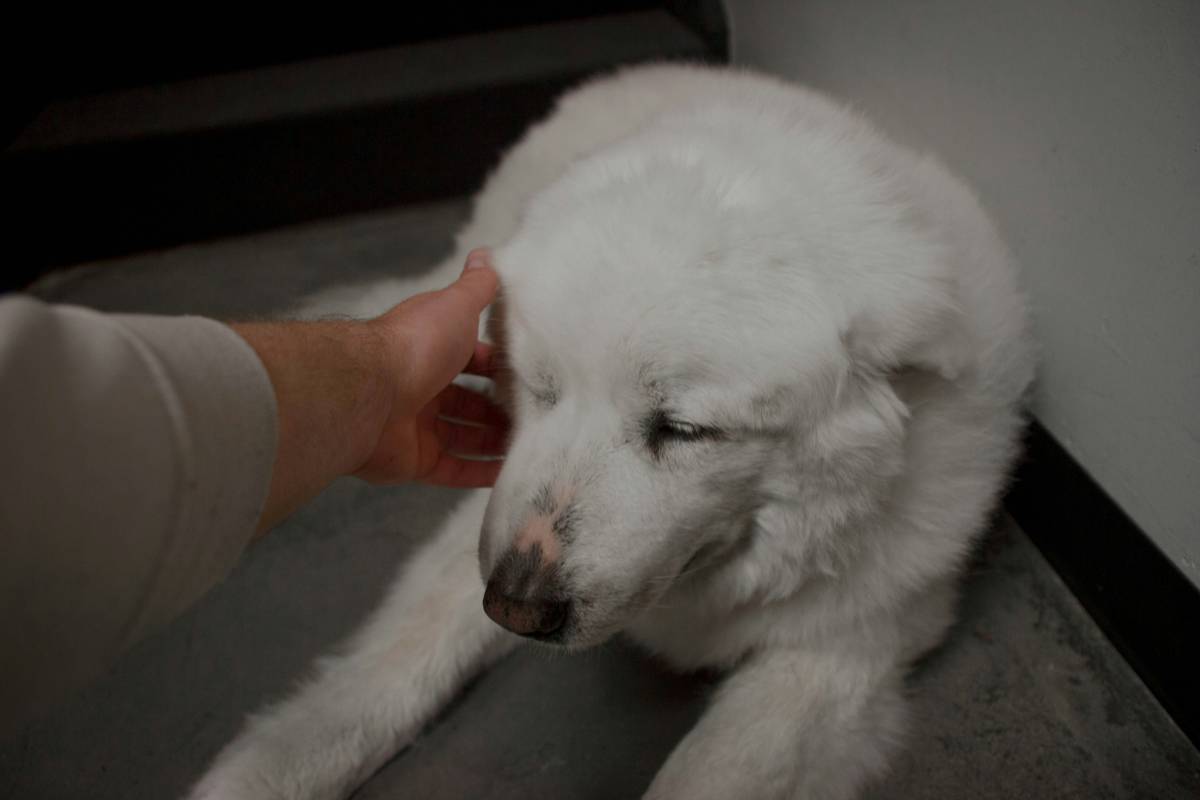
How to Evaluate If Skin Works for Dogs Is Right for Your Pet
Skin Works for Dogs markets itself as a “natural solution for itchy, dry, flaky skin.” But does it hold up under scrutiny? Let’s break it down.
What’s Actually in Skin Works for Dogs?
The formula includes:
- Bovine colostrum: Rich in immunoglobulins; may support immune modulation.
- Omega-3 & Omega-6 fatty acids: From fish and flax—critical for epidermal integrity.
- Vitamin E & C: Antioxidants that combat oxidative stress in inflamed skin.
- Lactoferrin: An iron-binding protein with mild anti-inflammatory properties.
Notably absent? Fillers like corn, soy, or artificial preservatives—big plus.
Step 1: Get a Diagnosis First
Optimist You: “This supplement sounds perfect!”
Grumpy You: “Ugh, fine—but only if your vet cleared your dog first.”
Seriously. Run blood work, skin scrapings, or allergy panels *before* spending $39.99/month. The American College of Veterinary Dermatology stresses that supplements should complement—not replace—diagnostic care.
Step 2: Give It Time (But Not Too Much)
Skin turnover in dogs takes 21–28 days. Most manufacturers recommend 6–8 weeks for visible results. If there’s zero change by week 8, it’s likely not the right fit.
Step 3: Watch for Side Effects
While rare, some dogs react to bovine proteins with mild GI upset. If your pup vomits or gets loose stools within 48 hours, discontinue use.
Pro Tips for Maximizing Dog Skin Health (Beyond Supplements)
Here’s the tea: no pill fixes poor husbandry. Pair any supplement with these vet-approved practices:
- Bathe smartly: Use veterinary-recommended shampoos (like chlorhexidine or oatmeal-based). Over-bathing strips natural oils—limit to once every 2–4 weeks unless directed otherwise.
- Feed for skin: Look for foods with balanced omega-6:omega-3 ratios (ideally 5:1 to 10:1). Avoid mystery meat meals.
- Flea prevention is non-negotiable: Just one flea bite can trigger allergic dermatitis in sensitive dogs.
- Humidity matters: In dry climates (<30% humidity), consider a home humidifier—your dog’s skin will thank you.
- Brush daily: Distributes sebum, removes dead skin, and lets you spot early lesions.
The Terrible Tip We’ve All Heard (Don’t Do This)
“Just rub olive oil on their coat—it’s natural!” Nope. Oils can trap dirt, clog follicles, and worsen yeast overgrowth. Stick to products formulated for canine physiology.
Rant Section: My Pet Peeve
Brands claiming “dermatologist-tested” when they mean *human* dermatologists. Dogs aren’t furry humans—their pH, skin thickness, and immune responses differ wildly. If a product doesn’t cite *veterinary* dermatology input, side-eye it hard.
Real Results: From My Clinic and My Couch
Case Study #1: Bella, 6-year-old Labrador
Presented with seasonal flank alopecia and mild scaling. Bloodwork normal. Started on Skin Works + omega-rich diet. After 7 weeks: 70% reduction in flaking, coat noticeably glossier. Owner reported less post-walk scratching.
Case Study #2: Pickles (Yes, Again)
After treating his bacterial infection, we added Skin Works during recovery. His hair regrew faster, and he hasn’t had a flare-up in 14 months. Coincidence? Maybe. But his skin barrier was clearly compromised—and this helped shore it up.
When It Didn’t Work: A Shih Tzu with confirmed food allergies saw zero improvement. Once switched to a hydrolyzed diet? Miraculous turnaround. Supplements can’t override allergens.
Skin Works for Dogs FAQs
Is Skin Works for Dogs FDA-approved?
No supplement is “FDA-approved” for animals—the FDA regulates them as *foods*, not drugs. However, Skin Works is manufactured in an NASC (National Animal Supplement Council)-certified facility, which enforces quality and labeling standards.
Can I give it to puppies?
The manufacturer recommends use only in dogs over 6 months old. Always consult your vet before giving supplements to growing pups.
How long until I see results?
Most owners report subtle changes in 3–4 weeks (less itching, softer coat), but full effects take 6–8 weeks.
Can it replace allergy medication?
Absolutely not. If your dog has atopic dermatitis or requires Apoquel/cyclosporine, Skin Works may *complement* treatment but won’t replace prescription therapies.
Where can I buy it safely?
Purchase directly from the official website or authorized veterinary retailers. Counterfeit versions on third-party marketplaces may lack potency or contain contaminants.
Conclusion
Skin Works for Dogs isn’t snake oil—but it’s not a magic bullet either. For dogs with mild, non-medical dry skin or seasonal coat dullness, it can be a helpful addition to a holistic skin-care routine. But if your dog is red, raw, hairless, or stinky? That’s a vet visit, not a supplement aisle run. Remember: great skin starts with diagnosis, not desperation. And maybe, just maybe, skip the olive oil.
Like a 2000s Tamagotchi, your dog’s skin needs consistent, informed care—not just frantic button-mashing when things go wrong.