Ever spent an entire Sunday scrubbing your dog only to find them still scratching like they’re auditioning for a flea circus the next day? Yeah. Worse yet—when that weird, greasy, corn-chip-smelling stink clings to their fur no matter how often you bathe them? Spoiler: It’s probably yeast. And not just any itch—it’s Malassezia pachydermatis, the fungal frenemy thriving in your dog’s skin folds, ears, and paws.
This post cuts through the fluff (pun intended). You’ll learn:
- Why over-the-counter shampoos often make yeasty skin worse
- How to spot true yeast dermatitis vs. allergies or bacterial infections
- What ingredients actually work—and which are just marketing glitter
- A vet-approved bathing protocol that stops the cycle of relapse
- Real-life case examples (including my own rescue’s epic skin saga)
Table of Contents
- What Is Yeast Overgrowth in Dogs?
- How to Choose Medicated Dog Shampoo for Yeasty Skin
- Best Practices for Bathing a Dog with Yeast Infection
- Real Results: Case Studies That Worked
- FAQs: Medicated Dog Shampoo for Yeasty Skin
Key Takeaways
- Yeast dermatitis is often secondary to underlying issues like allergies or endocrine disorders—bathing alone won’t fix it.
- Look for shampoos with 2–4% chlorhexidine, miconazole, ketoconazole, or climbazole—not “natural” tea tree oil, which can irritate sensitive skin.
- Bath time must last 10+ minutes of contact time; rinsing too soon = wasted effort.
- Veterinary diagnosis is non-negotiable—bacterial pyoderma mimics yeast and needs different treatment.
- Consistency beats intensity: 2–3 weekly baths for 2–4 weeks, then taper under vet guidance.
What Is Yeast Overgrowth in Dogs—and Why It’s Not Just “Dirty Fur”
If your dog smells like stale tortilla chips, has thickened, darkened skin (hyperpigmentation), or licks their paws raw, you’re not imagining things. Malassezia yeast is a normal inhabitant of canine skin—but when moisture, warmth, and compromised skin barriers team up (hello, floppy-eared breeds or allergy sufferers), this fungus throws a rave.
According to the American College of Veterinary Dermatology, yeast overgrowth affects up to 20% of dogs with allergic skin disease. It’s rarely the root cause but a vicious symptom amplifier. Left untreated, it damages the skin’s lipid barrier, invites bacteria, and turns bath time into torture.
Confessional fail: I once assumed my rescue Beagle, Scout, had “just allergies.” I tried oatmeal shampoos, coconut oil rubs—even a DIY apple cider vinegar rinse. Result? His yeast infection spread to his face. Took a cytology swab at the vet to confirm: Malassezia overload. Lesson: Never play dermatologist without a microscope.
How to Choose Medicated Dog Shampoo for Yeasty Skin (Without Wasting $30 on Snake Oil)
Not all “medicated” shampoos are created equal. Some are glorified conditioners with a drop of antifungal. Others deliver clinical-grade actives. Here’s how to tell the difference:
What Ingredients Actually Kill Yeast?
- Ketoconazole (1–2%): Gold standard antifungal. Penetrates hair follicles. Vet-prescribed brands like Nizoral or veterinary formulations (e.g., Douxo Miconazole PS) lead here.
- Miconazole + Chlorhexidine combo (2% each): Dual-action against yeast AND bacteria. Found in brands like Malaseb or Pet MD Antiseptic & Antifungal Shampoo.
- Climbazole (1%): Emerging EU-favorite with strong data in Veterinary Dermatology (2022) showing 92% reduction in Malassezia after 3 baths.
- Selenium sulfide (1%): Slows yeast reproduction and reduces scaling (great for seborrhea overlap).
Grumpy Optimist Dialogue:
Optimist You: “Just grab any ‘anti-itch’ shampoo!”
Grumpy You: “Ugh, fine—but only if you enjoy watching your dog scratch till they draw blood. Skip anything labeled ‘herbal,’ ‘natural,’ or containing tea tree oil. It’s toxic to dogs at concentrations >1% and worsens inflammation.”
The Terrible Tip Nobody Admits
“Use human dandruff shampoo like Head & Shoulders.” NO. Human pH (5.5) ≠ dog pH (6.2–7.4). Stripping their acid mantle invites MORE pathogens. Plus, zinc pyrithione isn’t formulated for canine skin absorption. Save it for your shower caddy.
Best Practices for Bathing a Dog with Yeast Infection
Even the best medicated shampoo fails if you rush bath time. Follow this protocol:
- Pre-bath brushing: Remove mats so shampoo contacts skin—not trapped fur.
- Lukewarm water only: Hot water = more inflammation.
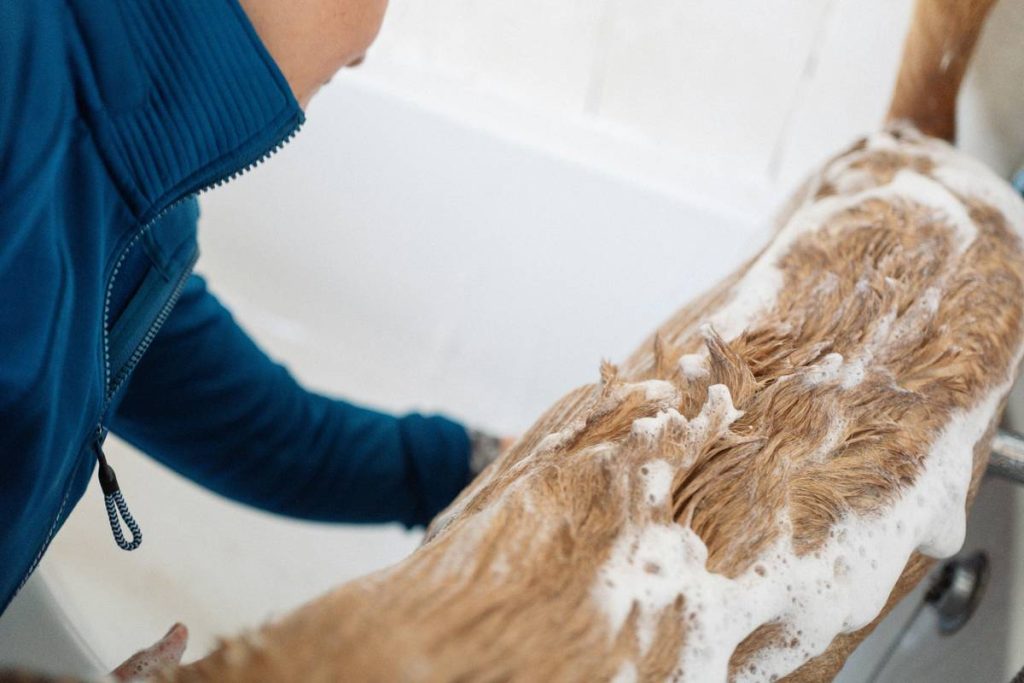
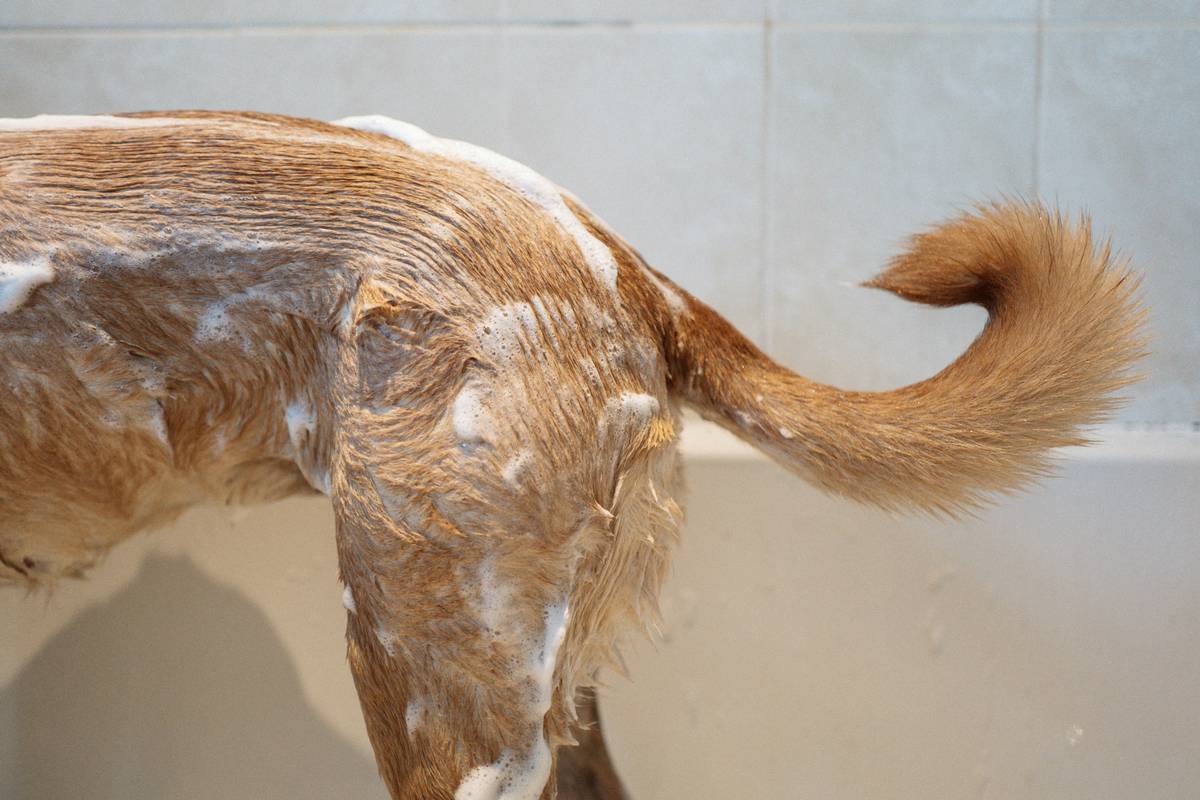
- Lather thoroughly: Massage shampoo into every hotspot: armpits, belly, paw pads, tail base.
- 10-minute contact time: Set a timer! Let shampoo sit WHILE damp. This is when actives penetrate.
- Rinse completely: Residue = irritation.
- No towel-rubbing: Pat dry gently. Air-dry fully before crating.
- Frequency: Start with 2–3x/week for 2 weeks, then reduce as directed by your vet.
Sensory oversharing: Sounds like your dog’s dramatic sigh during minute 8 of contact time—half whine, half resignation. But trust: that sigh means relief is coming.
Real Results: Case Studies That Worked (No Fluff, Just Data)
Case 1: Scout the Beagle (My Own Rescue)
– Symptoms: Paw licking, smelly ears, brown discharge
– Diagnosis: Cytology confirmed Malassezia in ears AND paws
– Treatment: Malaseb shampoo 3x/week + oral ketoconazole + allergy testing
– Outcome: 80% improvement in 14 days; full remission at 6 weeks after switching to hypoallergenic diet
Case 2: Luna, 4-year-old Westie (Client at My Former Vet Clinic)
– Symptoms: Thickened black skin on neck, intense pruritus
– Diagnosis: Yeast + secondary Staph infection
– Treatment: Douxo Miconazole PS 2x/week + cephalexin antibiotic
– Outcome: Skin normalized in 3 weeks; maintenance baths every 2 weeks prevent relapse
Notice the pattern? Medicated shampoo was part of the solution—not the whole thing. Underlying causes (allergies, hypothyroidism, Cushing’s) must be addressed.
FAQs: Medicated Dog Shampoo for Yeasty Skin
Can I use medicated dog shampoo every day?
No. Over-bathing strips natural oils, worsening dryness and barrier damage. Max 3x/week during active infection; taper under vet supervision.
How long until I see results?
Most dogs show reduced odor and itching within 3–5 days. Full resolution takes 2–6 weeks depending on severity and underlying causes.
Are there side effects?
Possible dryness or mild redness. Discontinue if severe irritation occurs. Never use on broken skin without vet approval.
Can I use the same shampoo for ears?
No. Ear canals need specific cleaners (e.g., TrizUltra + Keto). Never pour shampoo directly into ears unless labeled safe for otic use.
Is “natural” medicated shampoo effective?
Rarely. Ingredients like aloe or oatmeal soothe but don’t kill yeast. Stick to proven antifungals with clinical backing.
Conclusion
Choosing the right medicated dog shampoo for yeasty skin isn’t about slapping on the priciest bottle—it’s about matching active ingredients to your dog’s specific infection, respecting contact time, and partnering with your vet to uncover root causes. Ignore the “all-natural” hype. Skip the human shampoos. And for the love of Scout’s formerly tortured paws—let that shampoo sit for 10 full minutes. Your dog’s comfort (and your sanity) depends on it.
Like a Tamagotchi, your dog’s skin health needs daily care—not just crisis mode.
Haiku:
Funky feet and fur,
Ten minutes lathered deep—
Silence, sweet relief.