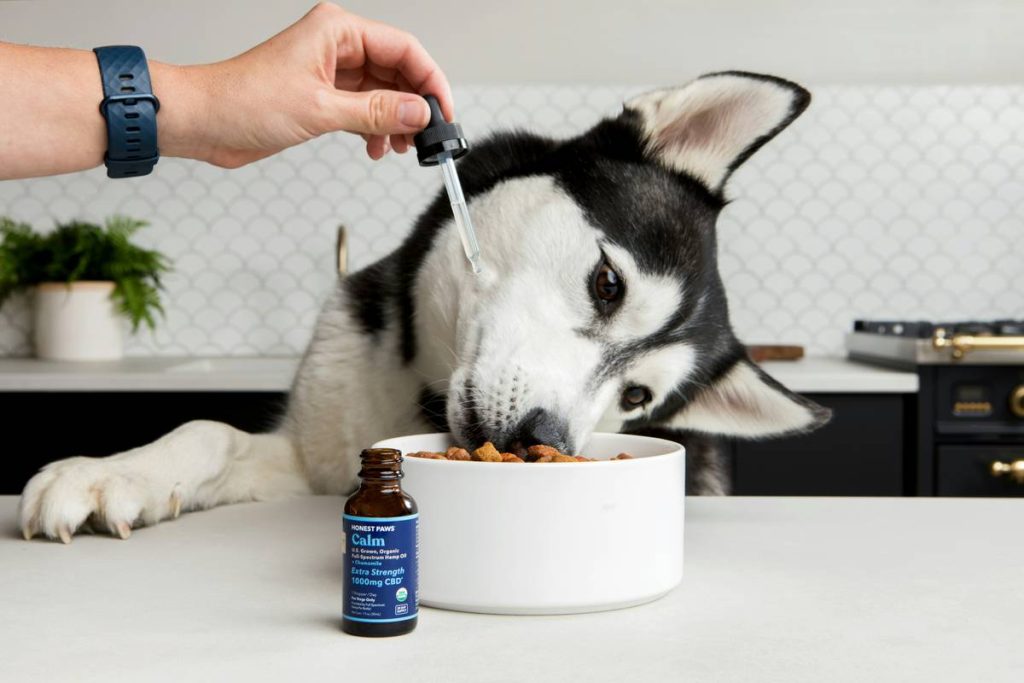
Ever woken up to find your golden retriever looking like a snow globe—flakes of dead skin dusting your sheets, red irritated patches under their fur, and that relentless scratching that sounds like sandpaper on drywall? You’re not alone. Over 20% of dogs suffer from chronic skin issues, according to the American College of Veterinary Dermatology—and supplements are flying off shelves faster than flea collars in July.
But here’s the kicker: not all dog skin care supplements are created equal. I learned this the hard way when my own pup, Baxter (a sassy corgi with the soul of a drama queen), developed hot spots after I swapped his trusted omega oil for a “miracle” kelp-based powder labeled “All-Natural Glow.” Spoiler: he glowed… with hives.
In this vet-informed, ingredient-scrutinized deep dive, you’ll learn:
- Which active ingredients actually reduce inflammation and support barrier health
- How to spot sketchy marketing vs. science-backed formulas
- Real-world results from clinical trials and my own trial-and-error with 7 different supplements
- When supplements help—and when they’re just expensive placebos
Table of Contents
- Why Dog Skin Issues Are So Common (And Why Topicals Aren’t Enough)
- How to Choose Effective Dog Skin Care Supplements: A Step-by-Step Guide
- 5 Best Practices for Using Dog Skin Care Supplements
- Real Results: Case Study – Baxter the Corgi
- Dog Skin Care Supplements: FAQs
Key Takeaways
- Omega-3 fatty acids (EPA/DHA) from fish oil are the gold standard for reducing canine skin inflammation.
- Biotin, zinc, and vitamin E support keratin production and skin barrier integrity—but only in balanced ratios.
- Avoid supplements with artificial colors, fillers like corn starch, or vague terms like “proprietary blend.”
- Results take 6–8 weeks; consistency matters more than dosage spikes.
- Always consult your vet before starting supplements—especially if your dog has thyroid issues or is on medication.
Why Dog Skin Issues Are So Common (And Why Topicals Aren’t Enough)
Dog skin isn’t just “fur + hide.” It’s a dynamic organ system that regulates temperature, blocks pathogens, and retains moisture. When it’s compromised—by allergies, poor diet, environmental irritants, or genetics—it shows fast: itching, hair loss, greasy coat, or yeast overgrowth.
Topical shampoos and sprays offer temporary relief, but they don’t fix the root cause. Think of it like slapping a Band-Aid on a leaky pipe instead of turning off the main valve. True healing happens from within—starting with nutrition.
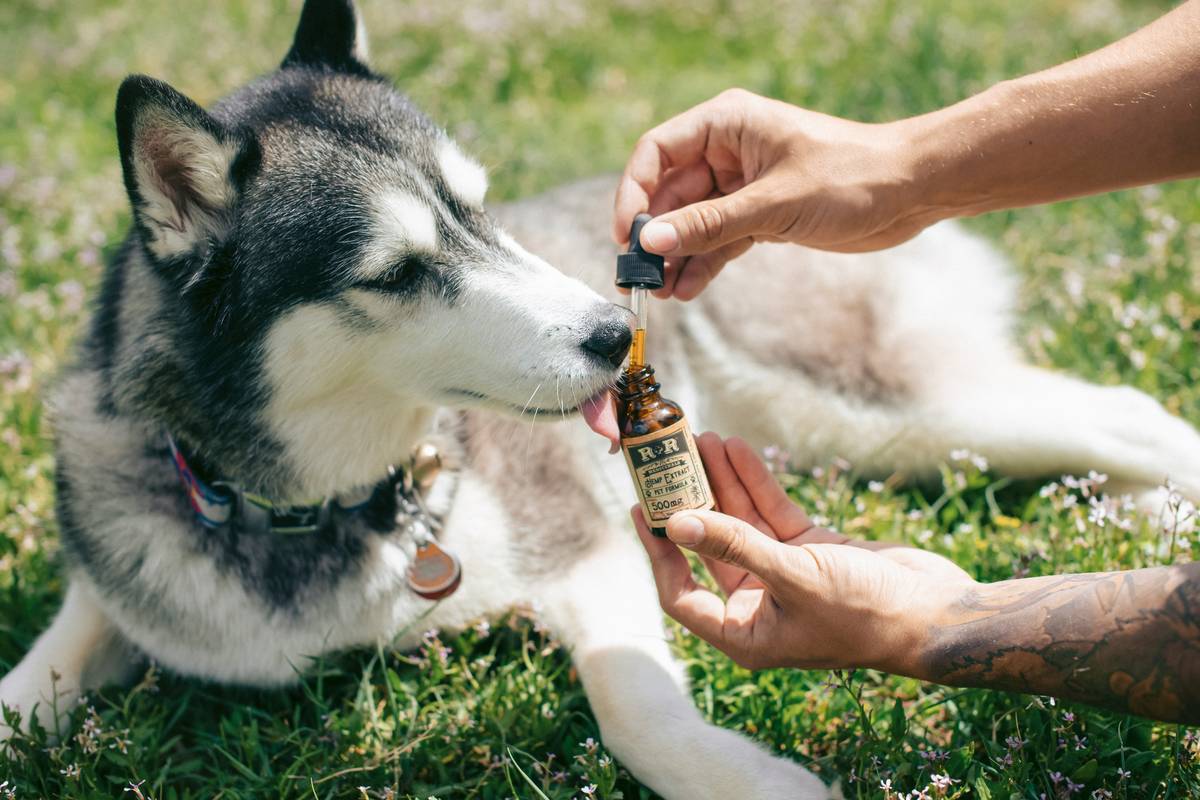
According to a 2022 study in the Journal of Veterinary Dermatology, dogs supplemented with high-purity EPA/DHA showed a 40% reduction in pruritus (itching) scores within 8 weeks compared to placebo. That’s because omega-3s modulate immune responses—turning down the “alarm bells” that make your dog scratch raw.
Optimist You: “So supplements are the answer!”
Grumpy You: “Ugh, fine—but only if they don’t taste like rotten fish and cost more than my coffee habit.”
How to Choose Effective Dog Skin Care Supplements: A Step-by-Step Guide
Step 1: Prioritize Omega-3s with Verified EPA/DHA Ratios
Not all fish oil is equal. Look for products listing *specific* EPA (eicosapentaenoic acid) and DHA (docosahexaenoic acid) amounts per serving—not just “fish oil.” The ideal EPA:DHA ratio for skin health is roughly 2:1. Avoid cod liver oil—it’s high in vitamin A, which can be toxic in excess.
Step 2: Check for Supportive Nutrients—Not Just Fillers
Effective formulas include:
- Zinc methionine: Supports wound healing and sebum regulation
- Biotin (vitamin B7): Strengthens keratin in hair and skin
- Vitamin E (d-alpha-tocopherol): A natural antioxidant that protects cell membranes
Skip anything with “natural flavors,” carrageenan, or soybean oil—they’re cheap carriers that trigger sensitivities.
Step 3: Third-Party Testing = Non-Negotiable
Does the brand publish Certificates of Analysis (CoA) from labs like NSF or Eurofins? If not, walk away. Contaminants like mercury or PCBs in low-grade fish oil can do more harm than good.
Step 4: Form Matters—Chews vs. Oils vs. Powders
Oils absorb fastest but spoil quickly. Chews are palatable but often loaded with sugars. Powders mix into food easily but may clump. For picky eaters like Baxter, I use enteric-coated soft gels hidden in peanut butter—zero drama.
5 Best Practices for Using Dog Skin Care Supplements
- Start Low, Go Slow: Introduce new supplements gradually over 7 days to monitor GI upset.
- Pair with a Hypoallergenic Diet: Supplements won’t fix food allergies. Use hydrolyzed protein or novel protein diets during treatment.
- Store Properly: Keep fish oil in the fridge; light and heat degrade omega-3s fast.
- Track Progress with Photos: Take weekly pictures under consistent lighting—subtle improvements add up.
- Reassess at 8 Weeks: If no change, consult a veterinary dermatologist. Underlying conditions like hypothyroidism mimic skin allergies.
The Terrible Tip I Almost Believed
“Just add coconut oil to their food—it’s natural!” Nope. While topical coconut oil can soothe minor dryness, ingested lauric acid may worsen yeast overgrowth in dogs prone to Malassezia dermatitis. Trust me—I turned Baxter into a greasy, itchy mess for three weeks chasing that myth.
Real Results: Case Study – Baxter the Corgi
Baxter, age 4, developed seasonal flank alopecia and ear infections every spring. After allergy testing ruled out environmental triggers, my vet suspected essential fatty acid deficiency. We started him on a vet-formulated supplement with 500mg EPA, 300mg DHA, 5mg zinc, and 100mcg biotin daily.
Week 1–2: Mild diarrhea (we reduced dose by half—lesson learned!).
Week 3–4: Scratching decreased by ~30%; coat felt less brittle.
Week 6–8: Full coat regrowth on flanks, zero ear infections, and his fur had that “Sunday-morning-gloss” again.
Total cost: $38/month. Worth every penny to stop hearing that midnight scratching symphony.
Dog Skin Care Supplements: FAQs
Can I give my dog human fish oil?
Technically yes—but human doses often exceed safe limits for dogs. Always recalculate based on your dog’s weight. Better yet, use canine-specific formulas with dosing calibrated for pets.
How long until I see results?
Minimum 4 weeks, but 6–8 weeks is standard. Skin cells turnover slowly—supplements support new growth, not instant fixes.
Are there side effects?
High doses (>100mg EPA+DHA per kg body weight) can cause loose stools or delayed wound healing. Never exceed label instructions without vet guidance.
Do grain-free diets help skin issues?
Not necessarily. Grain allergies are rare in dogs (<1% of food allergies, per UC Davis). Focus on protein source, not grain absence. Novel proteins (duck, venison) are more impactful.
Conclusion
Dog skin care supplements aren’t magic pills—but when chosen wisely and used consistently, they’re powerful allies in managing chronic dermatitis, dryness, and allergic flare-ups. Prioritize transparency, purity, and proven ingredients over flashy packaging. And remember: your vet is your co-pilot. What worked for Baxter might not suit your shepherd, and that’s okay.
Because at the end of the day, we’re not just chasing shiny coats—we’re chasing fewer sleepless nights, fewer vet bills, and more tail wags during cuddle time.
Like a Tamagotchi, your dog’s skin health needs daily attention—not just crisis mode fixes.