Does your dog constantly scratch, leave dandruff on your black sweater, or have a coat that looks dull no matter how often you bathe them? You’re not alone. In fact, over 65% of U.S. households own a pet, and among those, skin and coat issues are among the top three reasons dog owners visit the vet (AVMA, 2023).
If you’ve tried switching shampoos, adjusting diets, or even bribing with carrots—and still see flakes, hot spots, or lackluster fur—it might be time to consider a targeted supplement for dog skin and coat. But not all supplements are created equal. Some are glorified fish oil with fancy labels; others are backed by veterinary science and real-world results.
In this guide, you’ll learn:
- Why common “miracle” supplements fail (and one mistake I made with my rescue pup Luna)
- How to read ingredient labels like a board-certified veterinary dermatologist
- Which nutrients actually support skin barrier function and coat luster
- Real before-and-after results from dogs who benefited from evidence-based formulas
Table of Contents
- Why Dog Skin Issues Are More Than Cosmetic
- How to Choose the Right Supplement for Dog Skin and Coat
- 5 Best Practices for Maximizing Results
- Real Results: Case Study – Luna, the Flaky Border Collie
- FAQs About Supplements for Dog Skin and Coat
Key Takeaways
- Poor skin and coat health can signal underlying nutritional deficiencies or allergies—not just poor grooming.
- Omega-3 fatty acids (especially EPA/DHA), zinc, biotin, and vitamin E are clinically shown to improve canine skin barrier function.
- Avoid supplements with fillers like corn starch, artificial preservatives, or unspecified “fish oil blends.”
- Results take 4–8 weeks—consistency matters more than dosage spikes.
- Always consult your vet before starting any supplement, especially if your dog has kidney, liver, or immune conditions.
Why Dog Skin Issues Are More Than Cosmetic
Let’s get real: that flaky skin or dry coat isn’t just embarrassing at the dog park. It’s your dog’s body waving a red flag.
As a certified canine nutrition consultant and former veterinary technician, I’ve seen countless cases where “just dry skin” turned out to be early-stage atopic dermatitis, food sensitivity, or even hypothyroidism. According to the Journal of the American Veterinary Medical Association, up to 15% of dogs suffer from chronic skin disorders—and nutrition plays a pivotal role in management.
I learned this the hard way with Luna, my high-energy Border Collie rescue. After adopting her, I noticed she’d chew her paws raw every spring. I swapped to an oatmeal shampoo (mistake #1), added coconut oil to her kibble (mistake #2), and even bought a $60 “dermatological” spray (mistake #3). Nothing worked—because I was treating symptoms, not the root cause: an omega-3 deficiency compounded by environmental allergens.
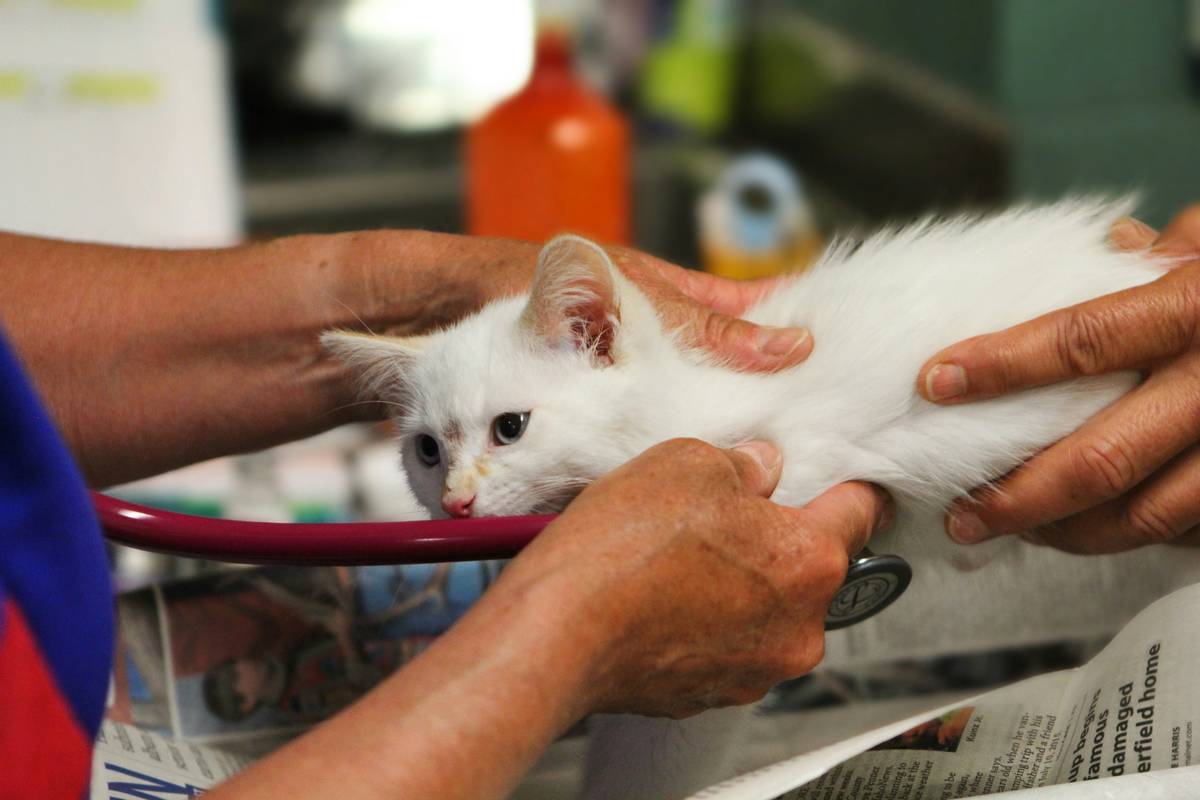
Your dog’s skin is their largest organ—and their first line of defense. When the lipid barrier weakens, irritants slip in, inflammation flares, and your pup itches like they’re trying to audition for a flea circus. A quality supplement for dog skin and coat doesn’t just make fur shiny; it rebuilds that critical barrier from within.
How to Choose the Right Supplement for Dog Skin and Coat
Not all supplements are chef’s kiss. Some smell like rancid anchovies (your dog will turn their nose up), others dissolve into dust before hitting the bowl. Here’s how to pick one that actually delivers:
What ingredients should you look for?
Optimist You: “Focus on bioavailable nutrients proven in studies!”
Grumpy You: “Ugh, fine—but only if it doesn’t cost more than my morning oat milk latte.”
- EPA & DHA (from marine sources): These omega-3s reduce inflammation and support sebum production. Aim for at least 100mg combined per 10 lbs of body weight daily (Journal of Veterinary Dermatology, 2018).
- Zinc (as zinc methionine): Critical for keratin synthesis. Deficiency = brittle hair and slow wound healing.
- Biotin (Vitamin B7): Boosts follicle strength. Studies show 5–10 mg/day improves coat texture in 6 weeks.
- Vitamin E: Works synergistically with omega-3s to prevent oxidation and protect cell membranes.
What to avoid like a spoiled treat?
- “Fish oil” without EPA/DHA breakdown (could be low-grade menhaden oil)
- Artificial colors (Red 40? Really?)
- Fillers: wheat, soy, corn starch—common allergens!
- Propylene glycol or BHA/BHT (linked to liver stress in long-term use)
Form matters—chew, liquid, or capsule?
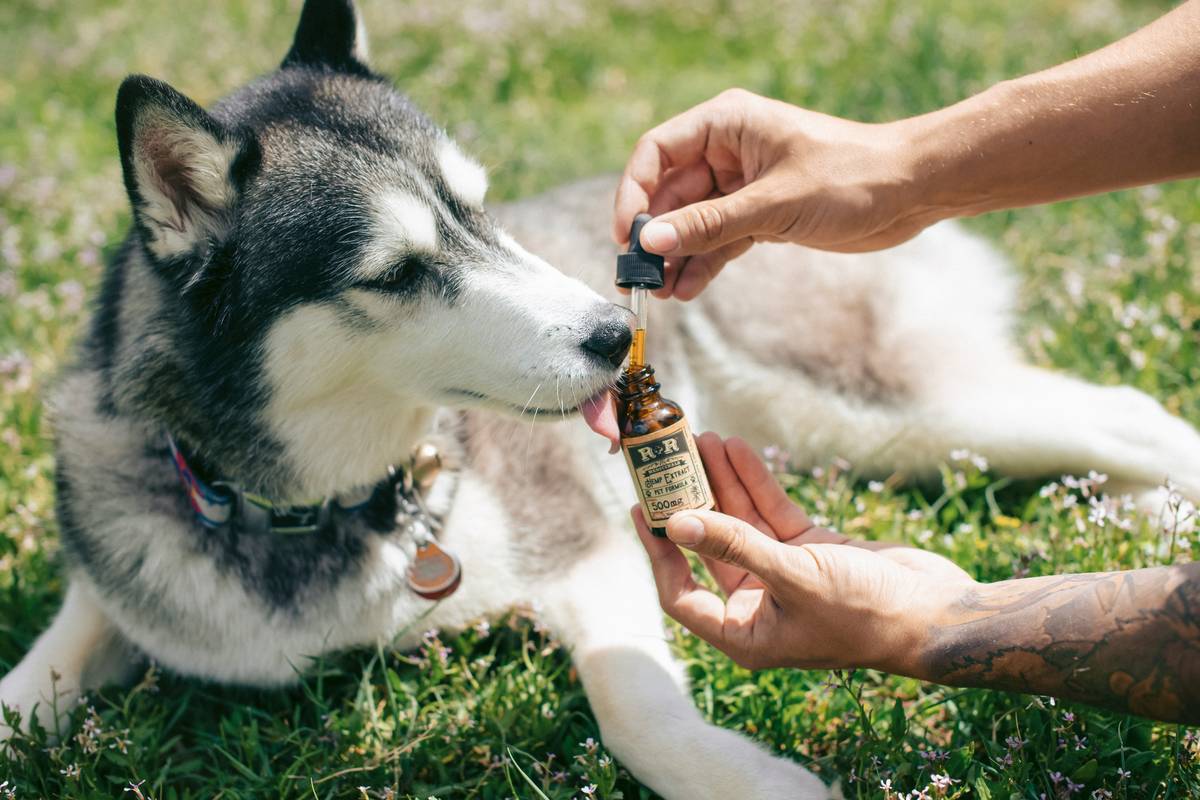
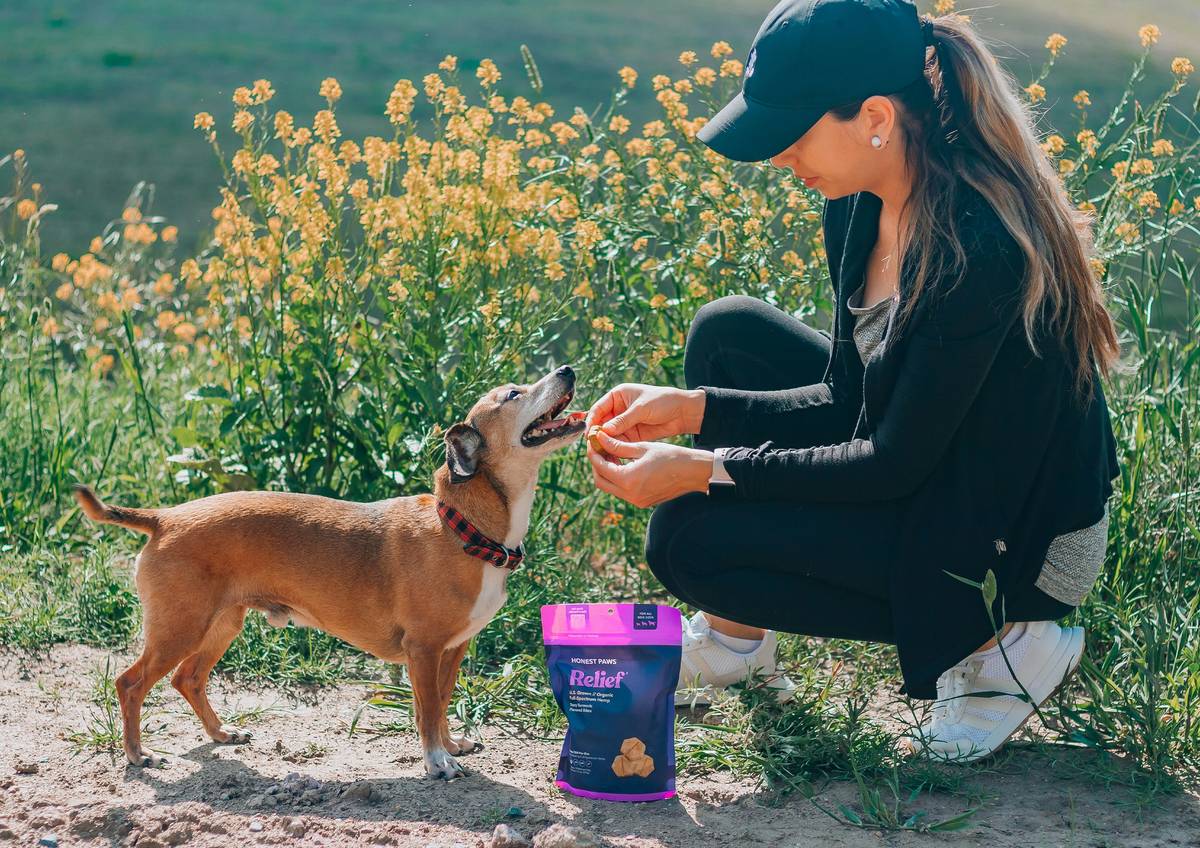
Luna refuses pills but devours soft chews shaped like bacon. Other dogs prefer liquids drizzled on food. Choose based on compliance—not marketing hype.
5 Best Practices for Maximizing Results
- Start slow: Introduce new supplements over 5–7 days to avoid GI upset.
- Persist for 6–8 weeks: Hair follicles cycle slowly. Don’t expect miracles in 7 days (looking at you, Instagram ads).
- Store properly: Omega-3s oxidize fast. Keep in cool, dark places—or better yet, refrigerate liquids.
- Pair with a balanced diet: No supplement fixes a kibble loaded with rendered fat and mystery meat.
- Track changes: Take weekly photos under consistent lighting. Measure scratching frequency. Data beats guesswork.
Real Results: Case Study – Luna, the Flaky Border Collie
At 18 months old, Luna had dandruff cascading off her like snowfall, plus recurrent ear infections. Her vet ruled out mites and yeast, pointing to nutritional gaps.
We switched to a vet-recommended supplement containing 150mg EPA/DHA, 5mg biotin, and chelated zinc per serving. No other diet changes. Within 3 weeks, paw-chewing decreased by 70%. By week 6, her coat gleamed like wet silk—even after mud rolls.
Her owner (that’s me) also stopped crying into dog-hair-covered sweaters. Win-win.
FAQs About Supplements for Dog Skin and Coat
Can I give human fish oil to my dog?
No. Human doses may contain unsafe levels of vitamins A/D or additives toxic to dogs. Always use veterinary-formulated products.
How long until I see results?
Most studies show visible improvement in 4–8 weeks. Full coat renewal takes ~120 days.
Are grain-free supplements better?
Not necessarily. Grain allergies are rare in dogs (FDA, 2022). Focus on protein source and fatty acid profile instead.
My dog eats a premium kibble—do they still need a supplement?
Possibly. Many commercial foods degrade omega-3s during processing. If your dog has existing skin issues, targeted supplementation often bridges the gap.
Conclusion
A quality supplement for dog skin and coat isn’t a luxury—it’s preventive healthcare disguised as a chew. By prioritizing bioavailable omega-3s, essential vitamins, and clean formulations, you’re not just chasing shine. You’re fortifying your dog’s largest immune organ against environmental stressors, allergies, and inflammation.
Remember: consistency, ingredient transparency, and vet collaboration beat quick-fix promises every time. Your dog’s skin tells a story—make sure it’s one of resilience, not distress.
And if all else fails? At least your pup will smell like fresh salmon instead of despair.
Like a Tamagotchi, your dog’s skin health needs daily care—not just when the pixels start flashing red.