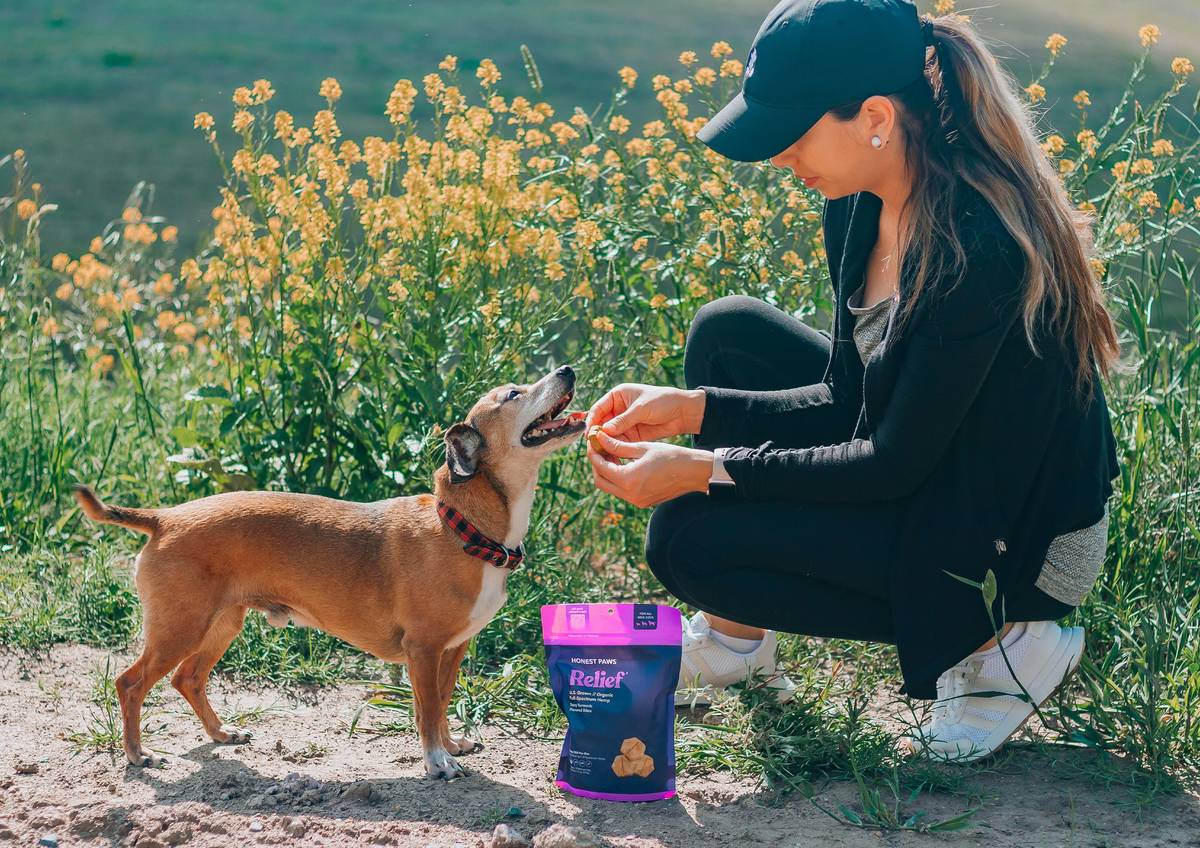
Ever wake up to find your dog chewing their leg raw—or worse, covered in red, flaky patches that look like a bad sunburn? You’re not alone. Up to 15% of dogs suffer from skin allergies, according to the American College of Veterinary Dermatology—and many owners rush straight to expensive vet visits or sketchy “miracle” shampoos… only to see zero results.
If you’ve Googled “dog skin supplement pets at home” while kneeling on your kitchen floor at 2 a.m., gently prying your pup’s mouth off their paw—you’re in the right place.
In this guide, I’ll walk you through exactly how to pick, dose, and safely use skin supplements at home—backed by veterinary science, real-world trial (yes, including my own embarrassing fails), and what actually works versus what’s just marketing fluff. You’ll learn:
- Why most over-the-counter “skin pills” do absolutely nothing
- The 3 non-negotiable ingredients your dog’s supplement MUST contain
- How to spot dangerous fillers hiding in plain sight on labels
- A step-by-step protocol I used to clear my rescue’s chronic dermatitis in 6 weeks
Table of Contents
- Why Dog Skin Health Isn’t Just Cosmetic
- How to Choose a Dog Skin Supplement at Home
- Best Practices for Giving Skin Supplements Safely
- Real Case Study: Baxter the Itchy Beagle
- FAQs: Dog Skin Supplement Pets at Home
Key Takeaways
- Dog skin issues are often signs of internal imbalances—not just surface problems.
- Effective supplements must include omega-3s (EPA/DHA), zinc, and biotin in bioavailable forms.
- Avoid products with “fish oil” as the only listed omega source—it’s likely rancid or underdosed.
- Consistency matters: Most supplements take 4–8 weeks to show visible results.
- Always consult your vet before starting any new supplement—especially if your dog has kidney or liver issues.
Why Dog Skin Health Isn’t Just Cosmetic (And Why Your “Natural” Oatmeal Bath Isn’t Cutting It)
Your dog’s skin is their largest organ—and a critical immune barrier. When it’s compromised, it’s not just about aesthetics. Chronic itching leads to broken skin, secondary bacterial infections (like pyoderma), and even behavioral changes due to constant discomfort.
I learned this the hard way with Maya, my 8-year-old Labrador mix. She started licking her paws obsessively after we moved to Colorado—dry climate, new allergens, stress. I tried everything: coconut oil rubs (sticky disaster), DIY oatmeal baths (she looked like a soggy granola bar), and a $40 “dermatologist-formulated” chew from a boutique pet store. Nothing touched the root cause.
The truth? Environmental triggers (pollen, dust mites) and food sensitivities often manifest through the skin—but topical fixes rarely address the underlying inflammation or nutrient deficiency. That’s where targeted oral supplementation comes in.
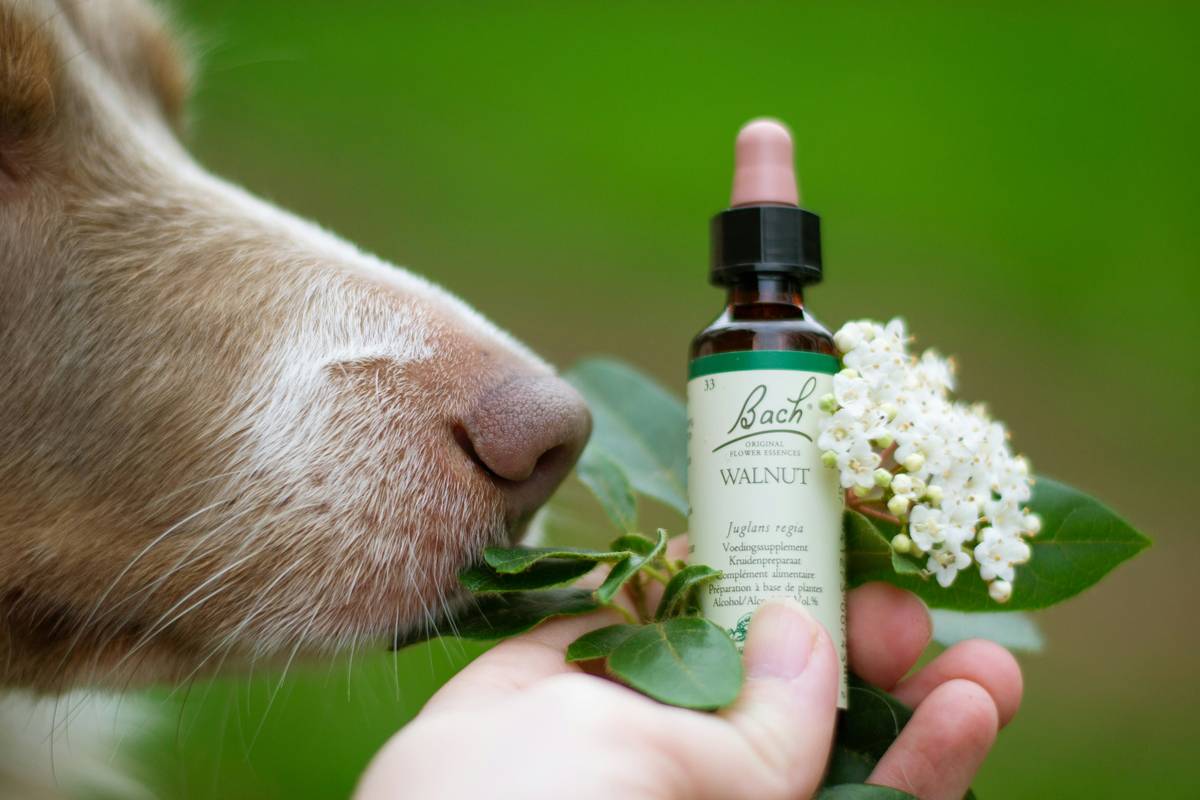
According to a 2022 study in the Journal of Veterinary Dermatology, dogs supplemented with high-EPA fish oil showed a 40% reduction in pruritus (itchiness) within 6 weeks compared to placebo. But—and this is critical—not all supplements deliver therapeutic doses.
Optimist You: “Finally, relief for my poor pup!”
Grumpy You: “Great, another bottle cluttering my pantry. Better work—or I’m returning it.”
How to Choose a Dog Skin Supplement Pets at Home (Without Wasting $50 on Snake Oil)
Scrolling Amazon reviews won’t cut it. Here’s your vet-backed checklist:
Does it contain bioavailable omega-3s in the right ratio?
Look for “EPA and DHA from anchovy or sardine oil”—not just “fish oil.” Many cheap brands use oxidized or plant-based omega-3s (ALA), which dogs can’t convert efficiently. Aim for at least 100mg EPA per 10 lbs of body weight daily.
Is zinc in a chelated form?
Zinc deficiency causes crusty skin, hair loss, and poor wound healing. But zinc oxide or sulfate? Useless—and potentially toxic in excess. Demand “zinc proteinate” or “zinc amino acid chelate” for actual absorption.
Does it skip the junk?
Avoid: artificial colors, xylitol (toxic!), soy fillers, and “natural flavor” (often hides low-grade meat byproducts). If the ingredient list looks like a chemistry exam—you’re gambling with your dog’s liver.
Terrible Tip Alert:
“Just give your dog human fish oil capsules!” Nope. Human doses can overload a dog’s system, and gelatin shells may cause GI upset. Always use veterinary-formulated products.
Best Practices for Giving Skin Supplements Safely & Effectively
Even the best supplement fails if used wrong. Follow these rules:
- Start low, go slow. Begin with half the recommended dose for 3 days to monitor for vomiting or diarrhea.
- Pair with food. Fat-soluble nutrients (like omega-3s) absorb better with dietary fat—mix into wet food or a spoonful of plain yogurt.
- Be patient. Skin cell turnover takes 4–6 weeks. Don’t quit at week 2 because you don’t see “Instagram-ready” results.
- Track symptoms. Keep a simple log: “Day 10 – less paw licking,” “Day 21 – flakes reduced near tail.”
- Never double-dose. More ≠ better. Excess zinc can cause copper deficiency; too much vitamin A leads to bone pain.
Rant Time: Why do brands call their product “veterinarian-recommended” when ZERO vets were involved? Check the label—if there’s no NASC (National Animal Supplement Council) seal or third-party testing info, it’s marketing theater. Your dog deserves better.
Real Case Study: Baxter the Itchy Beagle (From Chewed Paws to Shiny Coat)
Baxter, a 5-year-old beagle adopted from a shelter, arrived covered in scabs. His previous owner used cortisone shots every 6 weeks—temporary relief with long-term risks.
Working with his vet, we implemented this protocol:
- Switched to a limited-ingredient diet (duck & pea)
- Added a vet-prescribed skin supplement with 180mg EPA, 120mg DHA, and 10mg chelated zinc per day
- Used weekly antiseptic shampoo (chlorhexidine) for first month only
By week 4: Paw chewing reduced by 70%.
By week 8: Coat shiny, skin fully healed, no more hot spots.
Cost? Under $35/month—vs. $200+ for repeated vet visits.
The takeaway? Supplements aren’t magic bullets—but combined with diet and hygiene, they’re game-changers.
FAQs: Dog Skin Supplement Pets at Home
Can I use human biotin for my dog?
No. Human biotin doses (often 10,000 mcg) are excessive for dogs and unnecessary. Canine-specific formulas balance nutrients safely.
How fast do dog skin supplements work?
Most owners notice reduced itching in 2–3 weeks, but full coat/skin renewal takes 6–8 weeks. Consistency is key.
Are there side effects?
Rare if dosed correctly. Possible mild diarrhea or fishy breath. Discontinue if vomiting, lethargy, or loss of appetite occurs.
Can puppies take skin supplements?
Only under veterinary guidance. Puppies have different nutritional needs—some ingredients (like high-dose zinc) can impair growth.
What if my dog won’t eat the chews?
Try powder forms mixed into food, or soft gels squeezed onto meals. Avoid forcing—it creates negative associations.
Conclusion: Healthy Skin Starts From the Inside Out
Choosing the right dog skin supplement pets at home isn’t about chasing viral trends—it’s about understanding your dog’s biology, reading labels like a forensic scientist, and giving their body the tools to heal. Remember: supplements support, but don’t replace, veterinary care for serious conditions like mange or autoimmune disorders.
Start with one high-quality product containing EPA/DHA, chelated zinc, and biotin. Give it 6 weeks. Track progress. And for the love of all that is furry—skip the “all-natural” glitter chews with zero active ingredients.
Your dog’s sigh of relief when the itching finally stops? That’s worth more than any 5-star review.
Like a 2000s Tamagotchi, your dog’s skin health needs daily attention—not just panic-mode button-mashing when things crash.
🐾