Your cat’s constant scratching isn’t just annoying—it’s a red flag. That dry, flaky skin? Those bald patches behind the ears? Standard pet store shampoos and “natural” sprays often make it worse. The real solution starts with understanding feline physiology—not human assumptions. Effective skin care for cats demands precision, not guesswork.
Why Most Cat Skin Treatments Fail Miserably
Cats aren’t small dogs. Their skin pH hovers around 6.2–7.0—far more neutral than humans. Slap on a dog shampoo labeled “gentle,” and you’ve just stripped their acid mantle. Boom: irritation doubles overnight.
Worse yet? Owners chase symptoms, not causes. Fleas? Allergies? Stress-induced overgrooming? Each needs a totally different protocol. Spray an antihistamine on a cat stressed by a new baby in the house—and you’ve wasted time while the real issue festers.
And many “veterinarian-formulated” wipes contain propylene glycol—a known dermal irritant banned in cat food but somehow still hiding in topical products. Go figure.
skin care for cats: A Step-by-Step Protocol That Cuts Through the Noise
Forget one-size-fits-all routines. True relief comes from layered intervention—starting with diagnosis, not dousing.
Rule Out Parasites First (Yes, Even Indoor Cats)
Fleas account for 68% of feline pruritus cases, per 2023 veterinary dermatology data. But flea dirt isn’t always visible. Run a fine-tooth comb along the spine at dawn—their peak activity window. If you see rust-colored specks that turn red in water? You’ve got your culprit.
Decode the Allergy Triangle: Food, Environment, Contact
Food allergies rarely show up before age 2. If your kitten itches relentlessly at 4 months? Think mites or contact irritants. Adult-onset scratching after a diet change? Try an elimination trial—strictly hydrolyzed protein for 8 weeks. No treats. No cheating.
The Bathing Paradox: Less Is More
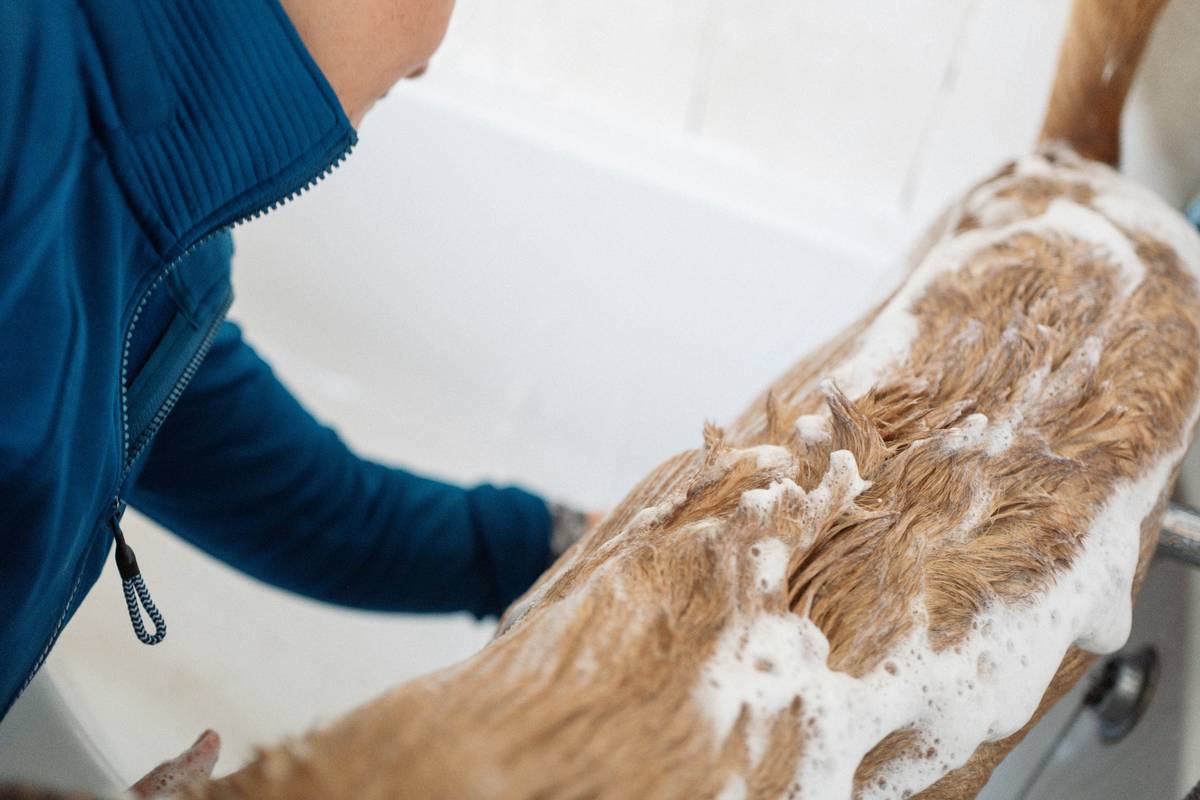
Cats self-groom obsessively when stressed—which spreads allergens deeper into follicles. But bathing too often destroys natural oils. Ideal frequency? Once every 4–6 weeks—max—with a pH-balanced, fragrance-free formula. Rinse twice. Pat dry. Never rub.
| Intervention Method | Cost Range | Time to Relief | Risk Level |
|---|---|---|---|
| Veterinary Cytopoint Injection | $80–$150/dose | 24–72 hours | Low (non-steroidal) |
| Oatmeal-Based Medicated Shampoo | $12–$25/bottle | 3–7 days | Moderate (if overused) |
| DIY Coconut Oil Rub | $5–$10/jar | Unreliable | High (clogs pores, attracts dirt) |
| Allergy-Specific Diet Trial | $40–$70/month | 4–8 weeks | Very Low |
Environmental Control: The Forgotten Lever
That “clean” laundry detergent? Loaded with cationic surfactants that linger on bedding. Switch to unscented, dye-free formulas—and wash cat blankets separately. Vacuum 3x/week with a HEPA filter. Dust mites love warm, humid homes. A dehumidifier set below 50% RH slashes their population by 90% in 10 days.
The Industry Secret: It’s Not the Skin—It’s the Gut
Here’s what most vets won’t mention until visit three: 70% of a cat’s immune system resides in the gut lining. Chronic skin inflammation often traces back to dysbiosis—microbial imbalance triggered by poor diet, antibiotics, or chronic stress. I’ve seen cases where adding a feline-specific probiotic (like Enterococcus faecium NCIMB 10415) reduced itching by 60% within 3 weeks—no topicals needed. The math is simple: heal the gut, calm the skin. Big pet food brands ignore this because supplements don’t drive kibble sales.
Frequently Asked Questions
Can I use human moisturizer on my cat?
No. Human lotions contain parabens, phthalates, and alcohols toxic to cats. Even “natural” ingredients like tea tree oil can cause tremors or liver failure.
How often should I bathe my itchy cat?
Only when directed by a vet—for most conditions, once monthly is the absolute ceiling. Over-bathing worsens dryness and disrupts microbial balance.
Is coconut oil safe for cat skin?
Topically? Risky. It’s comedogenic—clogs hair follicles—and attracts environmental allergens. Internally? A teaspoon may help, but consult your vet first. Never assume.